
As a dog owner, one of your biggest responsibilities is keeping your furry friend healthy and happy. While dogs can’t tell us when they’re feeling sick, they do give us signs and signals that they’re not feeling their best. Recognizing these signs is crucial in order to catch any health issues early and get your dog the treatment they need. In this article, we’ll explore 10 signs that your dog may be sick, so you can be proactive about your pet’s health and wellbeing.
Changes in Appetite
A sudden loss of appetite in a dog could be a sign of various health issues, such as gastrointestinal problems, dental issues, or even cancer. If your dog refuses to eat for more than a day or two, it is important to consult with your veterinarian to determine the underlying cause. Similarly, if your dog suddenly develops an increased appetite or is constantly hungry, it could be a sign of underlying health issues such as diabetes or thyroid problems. In such cases, it is important to seek veterinary attention to diagnose and manage the issue. Changes in appetite should not be ignored as they could indicate a more serious underlying health problem that requires prompt attention.
Vomiting and Diarrhea
If your dog is experiencing symptoms such as vomiting or diarrhea, it is important to seek veterinary care as soon as possible. These symptoms may be indicative of a more serious underlying health issue that could require immediate treatment. Infections, both bacterial and viral, can cause similar symptoms in dogs, and prompt diagnosis and treatment are crucial in preventing the condition from worsening. Parasites, such as intestinal worms or fleas, can also cause digestive issues and lethargy, so it is important to keep your dog up-to-date on preventative medications. Additionally, a dietary intolerance or allergy could be the cause of your dog’s symptoms, and your veterinarian can help you identify and manage these issues through dietary changes and/or supplements.

Lethargy
As a pet owner, it’s important to pay attention to your dog’s behavior and activity level. If your dog seems lethargic, or shows less interest in their favorite activities, it may be a sign that they are feeling unwell. These symptoms can indicate a range of health issues, from minor illnesses to more serious conditions. If you notice any changes in your dog’s behavior or activity level, it’s best to consult with your veterinarian. They can help identify any underlying health issues and provide the necessary treatment to help your dog feel better. Catching health problems early can help prevent more serious complications and ensure your dog stays healthy and happy.
Coughing
If your dog has a persistent cough, it could be a sign of an underlying respiratory issue or a heart problem. Respiratory issues, such as bronchitis or pneumonia, can cause your dog to cough continuously as a way to clear their airways. Heart problems, such as heart failure or heartworm disease, can also lead to coughing due to fluid buildup in the lungs. If your dog is experiencing persistent coughing, it is important to take them to the veterinarian for a proper diagnosis and treatment plan. Early detection and treatment of these conditions can help prevent further health complications and improve your dog’s overall quality of life.
Changes in Behavior
It is important for pet owners to be attentive to changes in their dog’s behavior, as dogs may not be able to communicate their pain or discomfort in the same way that humans can. Some common signs of pain or discomfort in dogs include whining, whimpering, or yelping, changes in appetite or water intake, lethargy, panting, restlessness, and avoiding certain movements or activities. If you notice any of these signs or your dog is behaving differently than usual, it is important to consult with a veterinarian. Early detection and treatment of any health issues can help prevent them from becoming more serious and improve your dog’s overall quality of life.
Excessive Drinking
Excessive drinking and urination in dogs are common symptoms that should not be ignored. Dogs that drink excessively and urinate more frequently than usual may be experiencing underlying health issues such as kidney disease or diabetes. These conditions can be serious and require prompt diagnosis and treatment to prevent further complications. Kidney disease can cause irreversible damage to the kidneys and may lead to kidney failure, while diabetes can lead to a range of complications, including blindness, nerve damage, and organ damage. If your dog is showing these symptoms, it is important to consult with your veterinarian immediately to determine the underlying cause and develop an appropriate treatment plan.
Skin Issues
Changes in your dog’s skin are an important indicator of their overall health. Dryness, flakiness, or rashes can be a sign of underlying health issues, such as allergies, skin infections, or parasites. Allergies are a common cause of skin problems in dogs and can be caused by a variety of factors, such as food, pollen, or dust. Other health issues, such as fungal or bacterial infections, can also cause skin problems. It is important to monitor your dog’s skin for any changes and consult with your veterinarian if you notice any abnormalities. Early detection and treatment can help prevent further complications and keep your dog healthy and comfortable.
Bad Breath
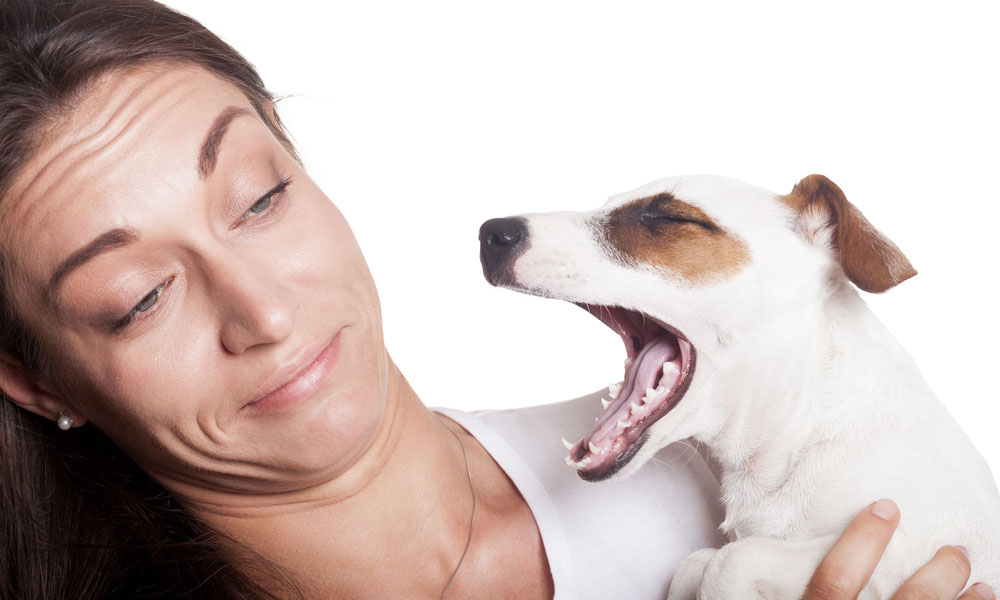
Foul-smelling breath, also known as halitosis, can be a sign of dental problems or other health issues in dogs. Poor dental hygiene can lead to the buildup of plaque and tartar on your dog’s teeth, which can cause bad breath and eventually lead to more serious dental problems such as tooth decay and gum disease. In addition to dental issues, bad breath can also be a sign of other health issues such as gastrointestinal problems or kidney disease. It is important for pet owners to regularly check their dog’s breath and schedule regular dental check-ups with their veterinarian to ensure their dog’s overall health and well-being.
Eye and Nose Discharge
If you notice excessive discharge from your dog’s eyes or nose, it is important to take note of the color, consistency, and odor of the discharge. Watery or clear discharge may indicate allergies or a mild respiratory infection, while thick, yellow or green discharge may indicate a more serious infection. In some cases, discharge may also be accompanied by coughing or sneezing. Respiratory issues and infections can be caused by a variety of factors, including exposure to irritants, such as smoke or pollutants, or close contact with other infected dogs. Allergies can also cause respiratory symptoms, and identifying the allergen is important to prevent further exposure. It is important to consult with your veterinarian to determine the underlying cause of the discharge and to receive appropriate treatment.
Difficulty in Urination or Defecation
Difficulty urinating or defecating can be a concerning sign for pet owners, as it can be an indication of an underlying health issue. Urinary tract infections are a common cause of difficulty urinating in dogs and can be caused by bacteria, crystals, or stones in the urinary tract. Digestive problems, such as constipation or diarrhea, can also cause difficulty defecating. These issues may be caused by an inappropriate diet, dehydration, or other health problems such as gastrointestinal disease. It is important to seek veterinary care if your dog is experiencing difficulty urinating or defecating, as early diagnosis and treatment can prevent further complications and discomfort.
Conclusion
Remember, your dog’s health is in your hands. By being aware of the signs and symptoms of illness, you can ensure that your furry friend stays healthy and happy for years to come. Regular veterinary check-ups and preventative care are also important in maintaining your dog’s health. If you notice any of the signs mentioned in this article or any other unusual behavior, don’t hesitate to consult with your veterinarian. With proper care and attention, you can help your dog live their best life.

 The Pup Post - Your Ultimate Guide to Happy and Healthy Dogs
One response to “10 Signs That Your Dog May Be Ill”
[…] When it comes to dog whining, there are several possible reasons why your dog may be engaging in this behavior. Some common causes of whining in dogs include anxiety, fear, boredom, hunger, discomfort, and a need for attention or affection. Depending on the context and frequency of your dog’s whining, it may be a benign and temporary expression of your dog’s needs, or it may indicate an underlying issue that requires intervention. Check out our article 10 Signs Your Dog May Be Ill. […]
LikeLike