

Biting is a natural behavior for puppies and dogs, but it can become a problem if not properly addressed. There are different approaches to teaching puppies and adult dogs not to bite, depending on their age, temperament, and previous experiences. In this article, we’ll provide some tips and strategies for preventing and managing biting in puppies and dogs.
Puppies:

Socialize your puppy. Expose your puppy to a variety of people, animals, and environments in a positive and controlled manner. This can help your puppy learn appropriate social skills and reduce fear and aggression.
Use positive reinforcement. Reward your puppy for good behavior, such as playing gently, sitting calmly, or leaving objects alone. Avoid punishment or physical corrections, as these can escalate aggression and fear.
Provide chew toys and safe outlets for biting. Puppies need to chew and explore their environment, so give them plenty of appropriate toys and activities to satisfy their curiosity and energy.
Set clear boundaries and rules. Establish consistent rules and routines for your puppy, such as not allowing them to bite or jump on people, and enforcing consequences for breaking these rules.
Seek professional guidance if necessary. If your puppy shows persistent or severe biting behavior, or if you feel overwhelmed or uncertain, consult with a veterinarian or a certified dog trainer for guidance and support.
Dogs:
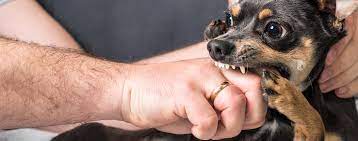
Identify the cause of biting. Understand why your dog is biting, whether it’s due to fear, aggression, playfulness, or frustration. This can help you tailor your training and management approach accordingly.
Train basic obedience and impulse control. Teach your dog basic commands, such as sit, stay, and come, as well as impulse control exercises, such as wait or leave it. These can help your dog learn self-control and focus on you.
Use positive reinforcement and redirection. Reward your dog for good behavior, such as playing gently or responding to commands, and redirect their attention or energy away from inappropriate biting or chewing.
Manage the environment. Supervise your dog’s interactions with people and other animals, and prevent situations that may trigger or escalate biting behavior, such as rough play or teasing.
Seek professional help if necessary. If your dog’s biting behavior is causing injury or significant distress, or if you feel unsafe or overwhelmed, consult with a qualified behaviorist or trainer for a customized behavior modification plan.
In conclusion, preventing and managing biting in puppies and dogs requires patience, consistency, and understanding of canine behavior. By providing appropriate socialization, training, and environmental management, and seeking professional guidance when necessary, you can help your furry friend develop good habits and thrive in your home and community.

 The Pup Post - Your Ultimate Guide to Happy and Healthy Dogs