
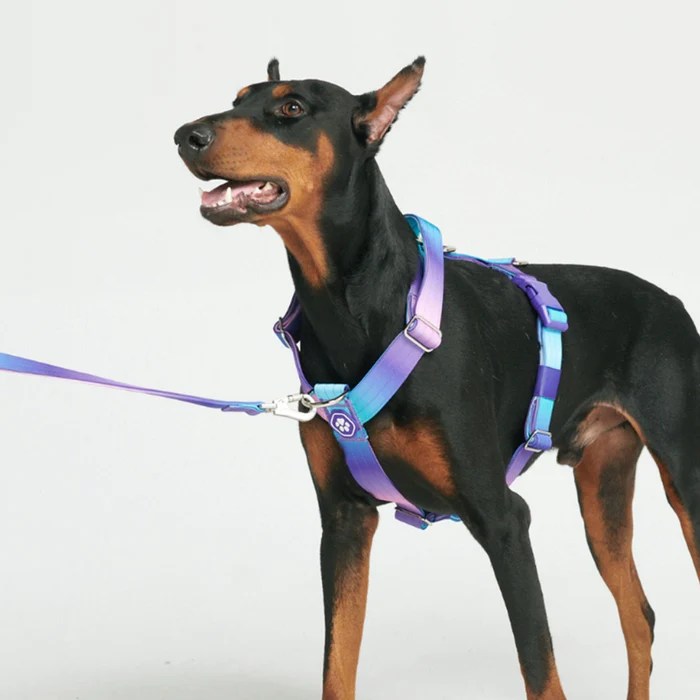
When it comes to taking your furry friend for a walk or run, using a dog harness can be a great option. Harnesses provide better control and safety for your dog, and they can help prevent pulling, choking, and other injuries. But with so many different types of dog harnesses available, how do you choose the right one? In this article, we’ll explore the four best types of dog harnesses and their benefits.
Front-Clip Harnesses
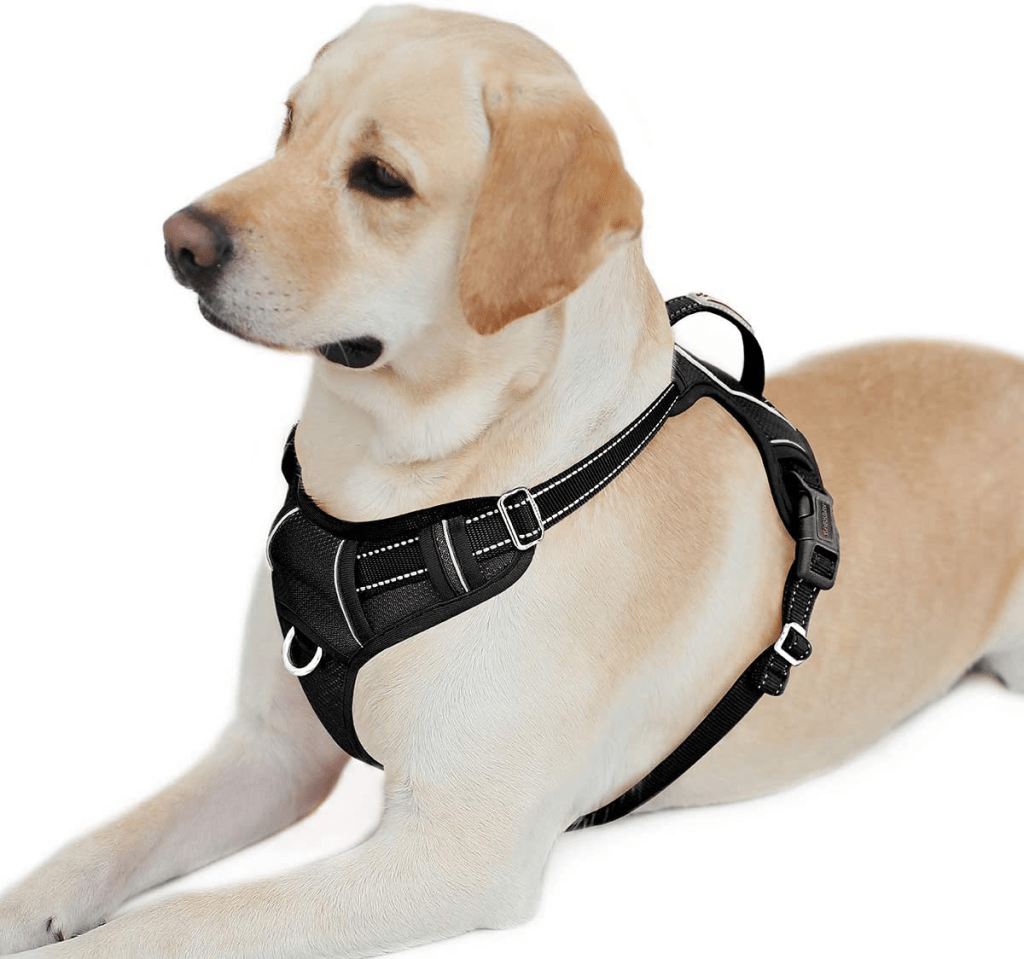
A front-clip harness, as the name suggests, has a leash attachment point on the front of the dog’s chest. This type of harness is great for dogs that pull or have a tendency to lunge forward, as it redirects their attention back to you. The benefits of a front-clip harness include:
- Reduced pulling and lunging: By attaching the leash to the front of the harness, you can more easily control your dog’s movements and prevent them from pulling you along.
- Better balance: A front-clip harness distributes pressure more evenly across your dog’s body, which can help them maintain better balance and reduce the risk of injury.
- More comfortable: With a front-clip harness, the pressure is on your dog’s chest rather than their neck, which can be more comfortable and less restrictive.
Back-Clip Harnesses
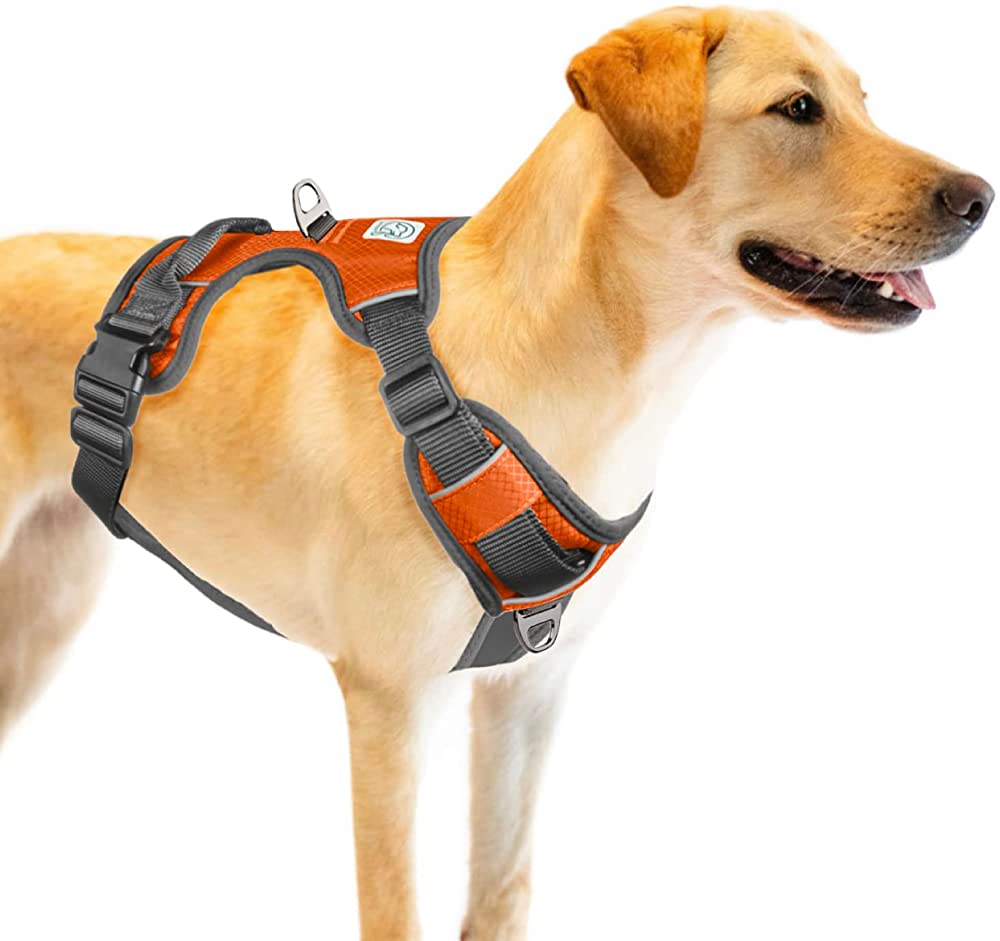
A back-clip harness has a leash attachment point on the dog’s back, near their shoulder blades. This type of harness is great for dogs that don’t pull as much and are well-behaved on walks. The benefits of a back-clip harness include:
- Easy to put on: Back-clip harnesses are easy to put on and take off, which can be helpful if your dog is impatient or squirmy.
- Comfortable fit: Back-clip harnesses are designed to fit snugly around your dog’s chest, which can be more comfortable than a collar that puts pressure on their neck.
- Better visibility: A back-clip harness can be a good option for dogs that have longer hair or fur, as it won’t interfere with their neck area and it allows for better visibility.
No-Pull Harnesses
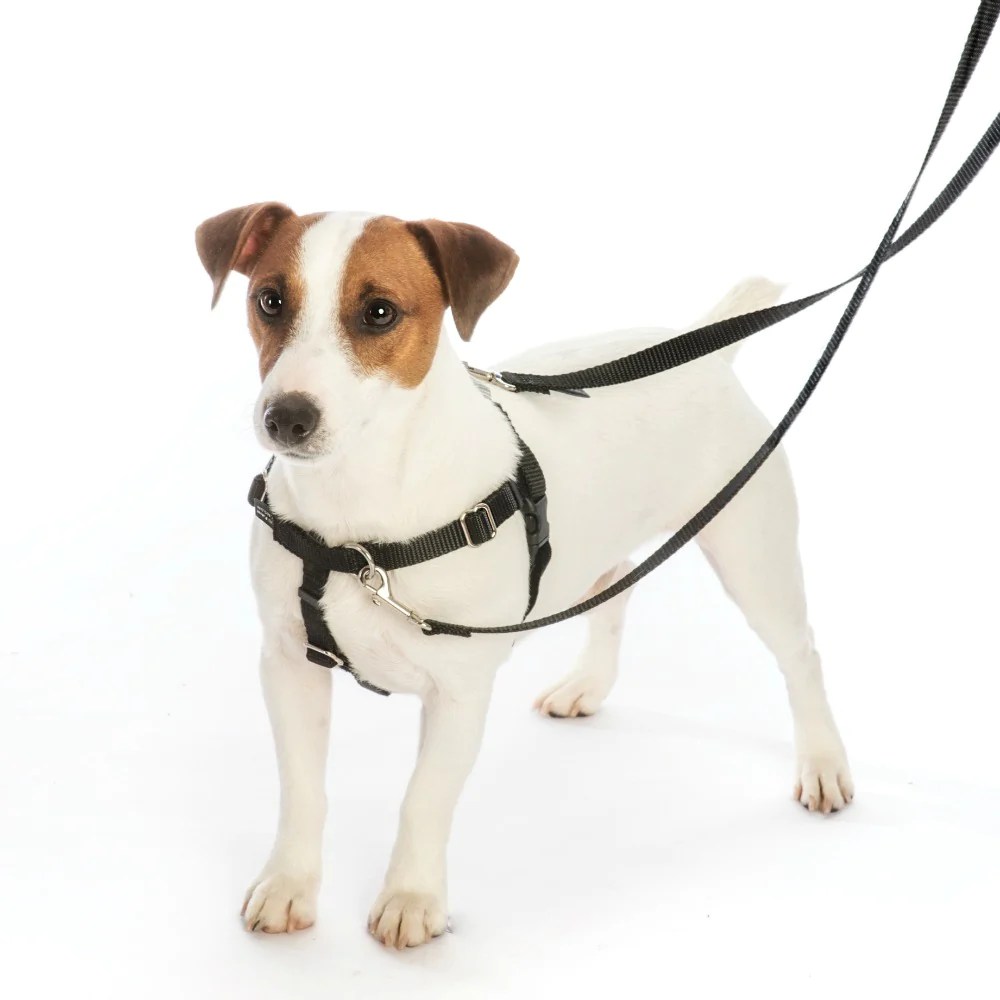
A no-pull harness is designed to discourage pulling and jumping by providing pressure in the right areas. This type of harness can be effective for dogs that are strong pullers or are reactive to stimuli on walks. The benefits of a no-pull harness include:
- Gentle pressure: No-pull harnesses apply gentle pressure to the dog’s chest or armpits when they pull, which can be more effective than yanking or jerking on the leash.
- Easy to use: No-pull harnesses are easy to put on and use, and many have adjustable straps to ensure a comfortable fit for your dog.
- Positive reinforcement: No-pull harnesses can be used with positive reinforcement training techniques, which can encourage good behavior and reduce the need for correction.
Step-In Harnesses

A step-in harness is a type of harness that your dog steps into, and then you fasten it around their back. This type of harness is great for dogs that are uncomfortable with things going over their head or have mobility issues. The benefits of a step-in harness include:
- Easy to put on: Step-in harnesses are easy to put on and take off, and can be a good option for dogs that don’t like things going over their head.
- Comfortable: Step-in harnesses are designed to fit snugly around your dog’s body, which can be more comfortable than a collar that puts pressure
Choosing the right dog harness for your furry friend can make a big difference in their comfort, safety, and overall well-being. Whether you have a strong puller or a senior dog with mobility issues, there is a harness out there that can meet your needs. By considering the benefits of each type of harness, you can find the perfect fit for your dog and enjoy many happy walks together. Remember to always measure your dog before purchasing a harness and consult with a veterinarian or professional dog trainer if you have any questions or concerns. With the right harness, you and your dog can enjoy all the benefits of outdoor adventures without any of the stress or strain.

 The Pup Post - Your Ultimate Guide to Happy and Healthy Dogs