

Dogs are some of the most beloved animals on the planet, and it’s easy to see why. They’re loyal, affectionate, and always ready for a good game of fetch. But have you ever stopped to wonder whether your furry friend is happy? It’s not always easy to tell, especially since dogs can’t speak to us in words. In this article, we’ll explore the signs that your dog is feeling good, as well as the red flags that indicate a pooch in distress. We’ll also give you some tips on how to boost your pup’s mood if they’re not feeling their best.
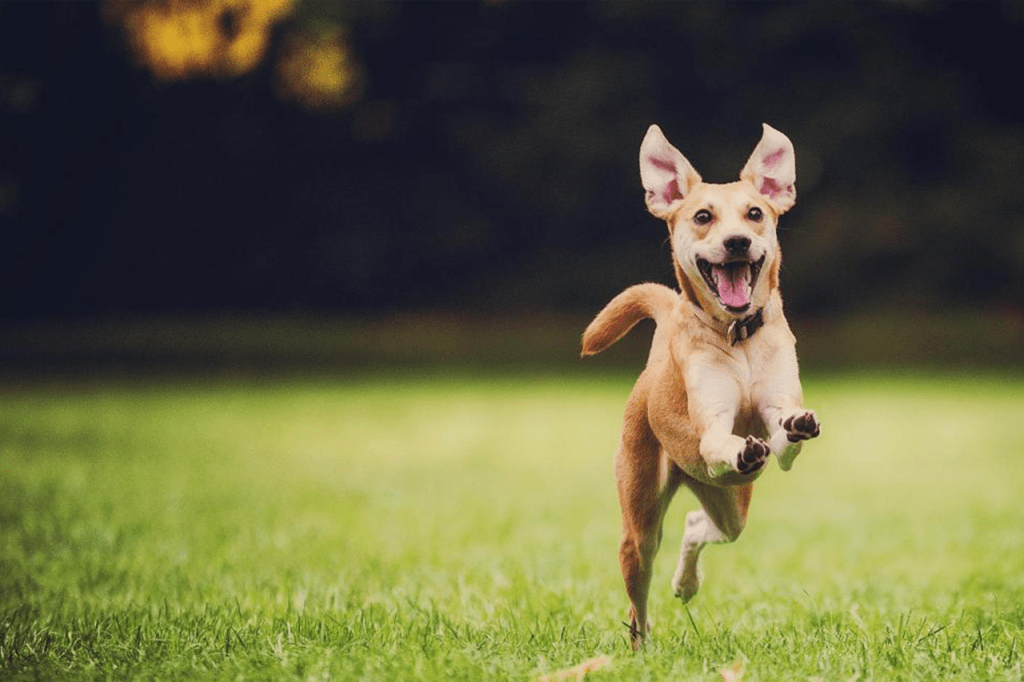
Dogs, like people, experience a wide range of emotions. The key to knowing if your dog is happy is to pay attention to their body language and behavior. A happy dog will have a relaxed body posture, with a loose tail, soft eyes, and ears that are held in a natural position. They’ll also be eager to engage with you and will be enthusiastic about playtime and walks.

On the other hand, an unhappy dog will show signs of stress and anxiety. They may cower or hide, have a tense or stiff body, or exhibit destructive behavior like chewing or digging. If your dog is showing any of these signs, it’s important to figure out what’s causing their distress and address the issue. This could mean a visit to the vet, more exercise or playtime, or even a change in their diet.
One of the most effective ways to improve your dog’s mood is through positive reinforcement training. This means rewarding good behavior, rather than punishing bad behavior. Dogs respond well to treats, toys, and praise, so make sure to use these to your advantage. You can also try to create a more stimulating environment for your pup by providing them with puzzle toys, interactive games, and new experiences.
Another way to help your dog feel happy and secure is to strengthen your bond with them. Spend quality time together, such as going on walks or snuggling on the couch. Talk to your dog in a soothing voice, and give them plenty of affection. Remember, dogs are social animals, and they thrive on human companionship.
In closing, knowing whether your dog is happy or unhappy is crucial for their overall well-being. By paying attention to their body language and behavior, you can get a good idea of how they’re feeling. If you notice any signs of distress, take action to address the issue and improve their mood. Positive reinforcement training, a stimulating environment, and a strong bond with your dog are all key to keeping your furry friend healthy and happy. So go ahead, give your pup a pat on the head and a scratch behind the ears. They deserve it!

 The Pup Post - Your Ultimate Guide to Happy and Healthy Dogs