

Welcoming a new puppy into your home is an exciting time. From picking out the perfect name to choosing the best bed, toys, and food, there are countless things to consider. However, one of the most critical aspects of puppy care that should never be overlooked is vaccinations. Just like humans, puppies are susceptible to infectious diseases that can cause severe health complications and even be fatal in some cases. But which vaccines does your puppy need, and when is the best time to give them? In this article, we will answer these questions and provide you with essential information on protecting your furry friend’s health from an early age.
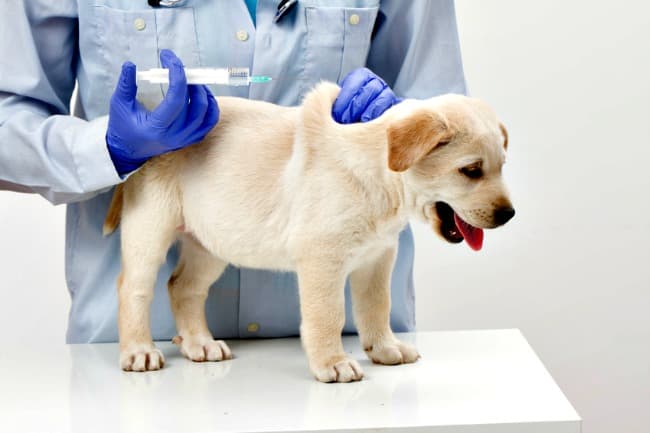
Vaccines are an essential component of preventive medicine that helps protect your puppy from infectious diseases. Some of the most common vaccines recommended for puppies include distemper, parvovirus, hepatitis, and rabies. These vaccines are typically administered in a series of shots, starting when your puppy is six to eight weeks old and continuing every few weeks until they are around 16 weeks of age. By completing the vaccination schedule, you help your pup develop immunity to these diseases, providing them with lifelong protection against potential threats.
Distemper is a highly contagious viral disease that affects the respiratory, digestive, and nervous systems of puppies. Symptoms include coughing, sneezing, fever, vomiting, diarrhea, and seizures. Parvovirus, on the other hand, attacks the intestinal tract and causes severe vomiting and diarrhea, leading to dehydration and potentially life-threatening complications. Hepatitis is a viral infection that targets the liver, causing fever, lethargy, abdominal pain, and other symptoms. Finally, rabies is a deadly disease that affects the nervous system and can be transmitted to humans. All of these diseases can be prevented by vaccination.
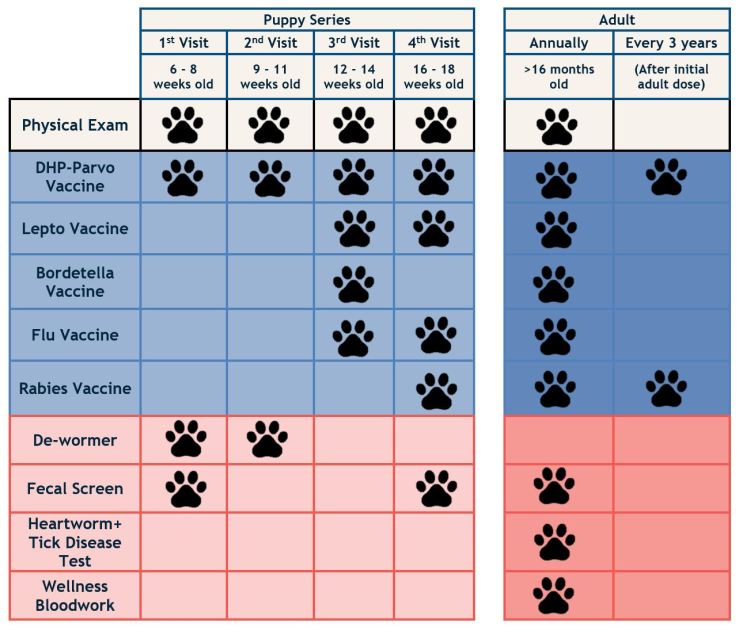
In addition to these core vaccines, your veterinarian may recommend other vaccines based on your puppy’s lifestyle and risk factors. For instance, if you plan on taking your puppy hiking or camping, they may need a vaccine for Lyme disease, which is spread by ticks. Similarly, if you live in an area where fleas and ticks are prevalent, your puppy may need a vaccine for the prevention of these pests.
Ensuring your puppy receives the proper vaccines at the recommended ages is crucial for their long-term health and wellbeing. Vaccination is an effective way to protect your furry friend from infectious diseases that can cause severe illness and even death. By working closely with your veterinarian and following a vaccination schedule, you can rest assured that you are doing everything in your power to keep your puppy safe and healthy. Remember, prevention is always better than cure, and investing in your pup’s health from an early age will pay off in the years to come.

 The Pup Post - Your Ultimate Guide to Happy and Healthy Dogs