

Have you ever caught your furry friend nibbling on some grass while out on a walk or playing in the backyard? If so, you’re not alone. Many dog owners have observed this peculiar behavior and wondered why their pets do it. While there are various theories out there, the truth is that no one knows for sure why dogs eat grass. In this article, we’ll explore some of the potential reasons behind this behavior, as well as whether it’s something to worry about or not.
One of the most commonly cited reasons why dogs eat grass is that they do so to relieve digestive issues. Some experts believe that the rough texture of grass can help stimulate vomiting, which in turn can help your pup expel anything that might be bothering their stomach. Similarly, some dogs may eat grass to help regulate their bowel movements. However, there’s no solid evidence to support these claims, and some dogs may even eat grass without showing any signs of digestive issues.

Another theory is that dogs eat grass because they have nutritional deficiencies. Grass contains a variety of vitamins and minerals that your dog’s regular diet may be lacking. By consuming grass, they may be trying to supplement their diet with these nutrients. However, most dogs receive a well-balanced diet that meets their nutritional needs, so this explanation is not always valid.
Some experts believe that dogs may eat grass as an instinctive behavior passed down from their wild ancestors. Wild canids like wolves and coyotes have been observed consuming grass, which may have served as a way to help clear out their digestive tracts or to help kill intestinal parasites.
Anxiety or boredom may also play a role in grass-eating behavior. If your dog is feeling anxious or stressed, they may turn to grass as a way to calm themselves down. Similarly, if they’re bored, they may eat grass as a way to alleviate their boredom.
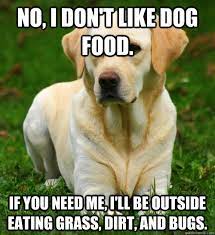
Environmental factors can also contribute to grass-eating behavior. For instance, dogs that spend a lot of time outdoors may eat grass simply because it’s readily available. Additionally, dogs that live in areas with limited access to toys or other forms of stimulation may turn to grass as a way to entertain themselves.
While the exact reason why dogs eat grass remains a mystery, one thing is clear: it’s a relatively harmless behavior that’s not usually cause for concern. As long as your dog is not eating grass that’s been treated with pesticides or other harmful chemicals, it’s generally safe to let them indulge in this behavior. However, if your dog is eating grass excessively or showing other signs of digestive issues or illness, it’s best to consult with your veterinarian to rule out any underlying health problems. After all, as responsible pup parents, our top priority is to ensure our furry friends are healthy, happy, and thriving.

 The Pup Post - Your Ultimate Guide to Happy and Healthy Dogs