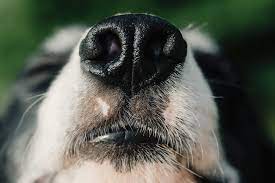
Dogs are fascinating creatures that have been our loyal companions for thousands of years. They are known for their wagging tails, floppy ears, and slobbery kisses, but perhaps the most intriguing aspect of a dog’s appearance is their wet nose. Have you ever wondered why your furry friend’s nose is always moist? Is it a sign of good health, or is there a deeper explanation? In this article, we will delve into the fascinating world of canine noses and explore why they are always wet.
Dogs’ noses are wet for a variety of reasons, and one of the primary reasons is to enhance their sense of smell. A moist nose allows dogs to better trap scent molecules, giving them the ability to detect even the faintest of smells. In fact, dogs have over 300 million olfactory receptors in their noses, compared to our measly six million, making them the ultimate sniffing machines.
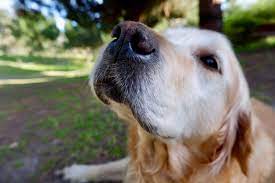
Another reason why dogs have wet noses is to aid in their thermoregulation. As dogs do not sweat like humans, their bodies use different mechanisms to cool down, including panting and sweating through their paw pads. Their wet noses also play a role in dissipating heat, as the moisture evaporates, helping to lower their body temperature.
Dogs also use their wet noses to communicate. When meeting new dogs, they often greet each other by sniffing their noses. The moisture on their noses traps scent molecules, allowing them to pick up information about other dogs, such as their gender, health status, and even their mood. Nose licking is also a way for dogs to communicate with their owners, as they often do it to show affection, request attention, or convey anxiety.

While a wet nose is a normal and healthy characteristic of dogs, excessively runny or dry noses can indicate underlying health problems. For example, a runny nose could be a sign of allergies, infection, or even a foreign object lodged in their nostrils. Conversely, a dry nose could indicate dehydration, illness, or a skin condition. If you notice any unusual changes in your dog’s nose, it is essential to consult with a veterinarian.
Lastly, there are several reasons why dogs have wet noses, including enhancing their sense of smell, aiding in thermoregulation, and communicating with other dogs and their owners. While it’s normal for dogs to have wet noses, changes in moisture levels could indicate health issues that require attention. Understanding your furry friend’s physiology and behavior can help you provide them with the best possible care, ensuring that they stay healthy, happy, and slobbery.

 The Pup Post - Your Ultimate Guide to Happy and Healthy Dogs