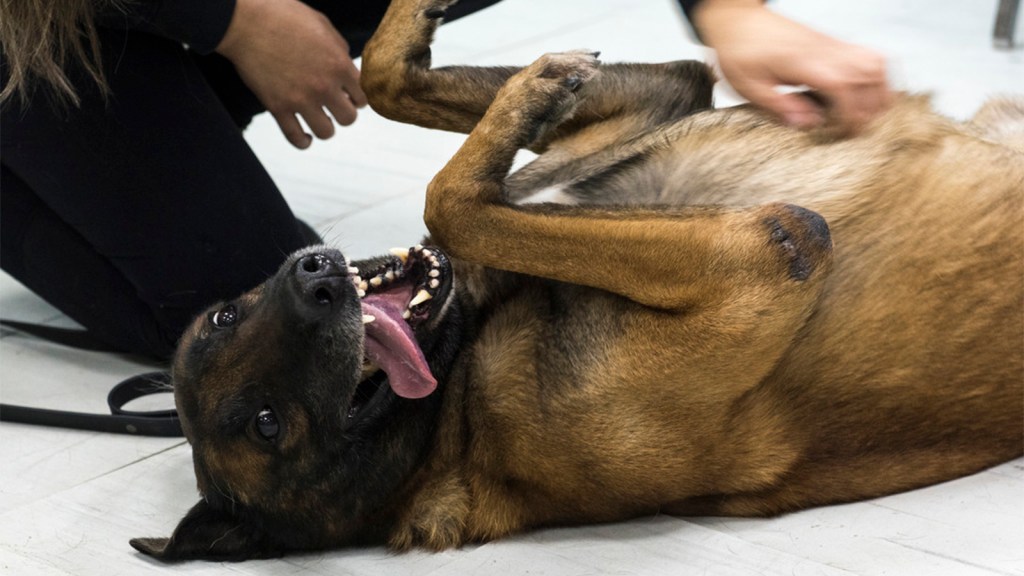
Dogs have long been known for their love of belly rubs, but have you ever wondered why? In this article, we explore the science behind this behavior, including the release of oxytocin in a dog’s brain, as well as evolutionary, physical, and psychological reasons for their affection towards belly rubs. We also discuss the benefits of belly rubs for dogs, including a calming effect on their nervous system and reduced stress levels. By understanding the science behind dogs’ love for belly rubs, we can deepen our bond with our furry companions and enhance their overall well-being.
Table of Contents
Introduction
Dogs are often seen rolling over on their backs, exposing their bellies, and asking for a good belly rub. It’s no secret that dogs love belly rubs, but have you ever wondered why? Understanding the reason behind this behavior can help deepen our understanding of our furry companions and strengthen the bond we share with them. In this article, we’ll dive into the science behind why dogs love belly rubs and explore the importance of this knowledge for dog owners. So, let’s get to the bottom of why our four-legged friends love belly rubs so much!
The Science Behind Belly Rubs
Belly rubs are an all-time favorite for most dogs, but have you ever wondered why? The answer lies in the science behind how belly rubs affect a dog’s brain. Oxytocin, a hormone also known as the “love hormone,” plays a crucial role in a dog’s brain. This hormone is responsible for creating feelings of bonding and trust between dogs and humans. When a dog receives a belly rub, the brain releases oxytocin, which creates a sense of pleasure and satisfaction in the dog. Studies have shown that petting and belly rubs lead to a significant increase in oxytocin levels in dogs. Furthermore, dogs who receive belly rubs regularly have consistently higher oxytocin levels compared to dogs who do not receive as much physical affection. This suggests that belly rubs are a key component in building a strong and healthy relationship between dogs and their owners.
Evolutionary Reasons for Belly Rubs
Belly rubs may be more than just a pleasurable experience for dogs. In fact, they may have played a significant role in the evolution of the canine species. Wolves, the ancestors of modern-day dogs, are not known for enjoying belly rubs. However, as dogs became domesticated, they started to develop different behaviors and traits, including a love for belly rubs. This may be because dogs who were more social and friendly with humans were more likely to receive food and protection, leading to a higher chance of survival and reproduction. As a result, over time, dogs who enjoyed belly rubs and other forms of physical affection from humans may have been more successful in passing on their genes.
Physical Reasons for Belly Rubs
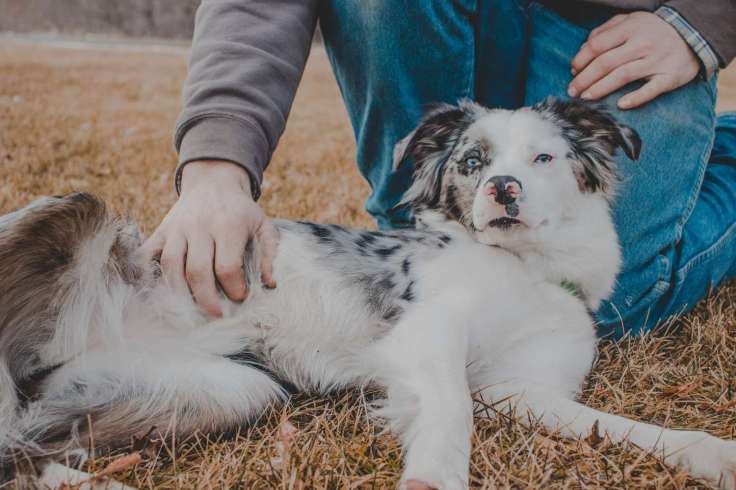
One of the physical reasons dogs love belly rubs is that it feels good to them. Just like how a good massage can relax and soothe a human, a belly rub can have the same effect on a dog. Dogs have many ticklish spots on their bodies, and the belly happens to be one of the most sensitive areas. When a dog’s belly is rubbed, it can stimulate the release of endorphins, which are hormones that make dogs feel happy and content.
It’s important to note that not all dogs enjoy belly rubs, and it’s essential to read their body language to understand their comfort level. Dogs’ ticklish spots vary from breed to breed and even from dog to dog. While humans tend to have ticklish spots in certain areas like the armpits, sides, and soles of the feet, dogs’ ticklish spots can be found on their bellies, under their chins, and behind their ears. Understanding a dog’s ticklish spots can help you give them the right type of physical affection they crave.
Psychological Reasons for Belly Rubs
Dogs’ love for belly rubs goes beyond just physical pleasure. There are psychological reasons behind it. One reason is that dogs view exposing their bellies as a sign of trust. When they roll over to expose their stomachs, they are showing vulnerability and trust towards their owner. This is a sign of their strong bond with humans. Belly rubs can also release endorphins in dogs, which can help to reduce stress and increase feelings of happiness. Additionally, research has shown that dogs respond differently to various types of touch. Belly rubs have been found to be one of the most preferred types of touch for dogs. When compared to patting or stroking, dogs showed higher levels of relaxation and contentment when receiving belly rubs.
Benefits of Belly Rubs for Dogs
Belly rubs are not only a favorite activity of many dogs, but they also play an important role in their overall well-being. The simple act of rubbing a dog’s belly has been shown to have a calming effect on their nervous system and can even lower their heart rate and blood pressure. Additionally, regular belly rubs can help to reduce anxiety and stress levels in dogs, leading to more positive behavior and a better quality of life. For humans, the act of giving a belly rub can help to strengthen the bond between dog and owner, which is crucial for a happy and healthy relationship. Therefore, it is important for dog owners to regularly provide their furry friends with belly rubs to not only make them happy, but to also promote their overall well-being.
Conclusion
There are various reasons why dogs love belly rubs. From their physical anatomy to the social bonds they form with their owners, the science behind their love for belly rubs is quite interesting. It is important to recognize and meet dogs’ needs for belly rubs as it can enhance the quality of their lives and strengthen the bond between dogs and their owners. Belly rubs can also provide mental stimulation and physical comfort to dogs. In closing, the science behind dogs’ love for belly rubs is complex, but it is clear that they are an important way for dogs to feel loved and cared for by their human companions.

 The Pup Post - Your Ultimate Guide to Happy and Healthy Dogs
4 responses to “The Science Behind Why Dogs Love Belly Rubs”
Good post for dog lovers.
LikeLike
Thank you!
LikeLiked by 1 person
This doggie is resting. He.is happy with belly rub. Anita
LikeLiked by 1 person
Can’t get enough 🙂
LikeLike