
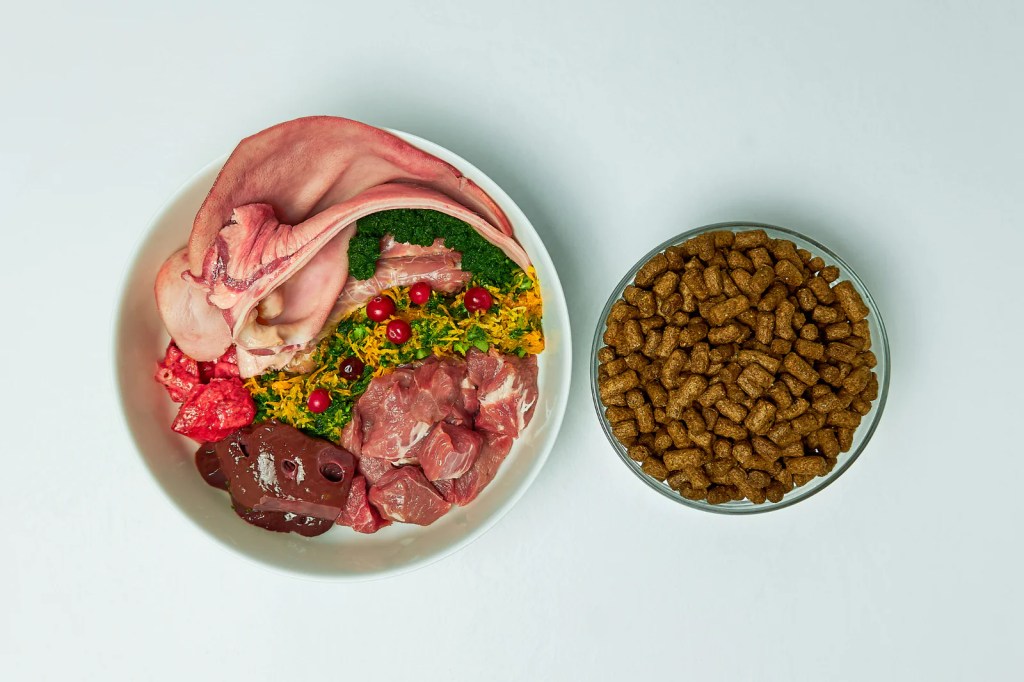
In recent years, there has been a significant surge in the popularity of raw feeding for dogs, as more and more pet owners are opting for this natural and unprocessed approach to their canine companions’ diets. Raw feeding involves providing dogs with a diet that consists primarily of raw meat, bones, fruits, and vegetables, mimicking the diet of their wild ancestors. This trend has caught the attention of pet owners and experts alike, sparking discussions about its potential benefits and impact on dogs’ overall health and well-being.
Introduction
In this article, we will delve into the world of raw feeding, exploring its growing trend, providing background information, and uncovering the various advantages it offers to our beloved four-legged friends. The thesis of this article is to shed light on the benefits of raw feeding for dogs and highlight how it can positively influence their overall health and well-being.
Understanding Raw Feeding
Raw feeding is a dietary approach for dogs that involves providing them with uncooked and minimally processed food. It focuses on emulating the natural diet of dogs’ ancestors, who thrived on a raw and prey-based diet. The basic principles of raw feeding include feeding dogs raw meat, bones, organs, and sometimes fruits and vegetables.
There are different approaches to raw feeding, with two popular methods being the BARF (Biologically Appropriate Raw Food) and the Prey Model. The BARF diet incorporates a variety of raw food components, including muscle meat, bones, organ meat, fruits, vegetables, and sometimes dairy or eggs. On the other hand, the Prey Model diet aims to mimic a dog’s natural prey consumption, consisting primarily of whole prey animals, such as rabbits or poultry, including bones, organs, and muscle meat.
Regardless of the specific approach, one crucial aspect of raw feeding is the use of high-quality and balanced ingredients. It is essential to source human-grade meat and organs from trusted sources, ensuring that they are free from antibiotics, hormones, and other harmful substances. The inclusion of bones in the diet is crucial for providing essential nutrients, dental health benefits, and mental stimulation. Moreover, adding a variety of fruits and vegetables can provide necessary fiber, vitamins, and minerals to support overall canine health.
To achieve a balanced raw diet, it is advisable to consult with a veterinarian or a veterinary nutritionist. They can guide you in creating a meal plan that meets your dog’s individual nutritional needs, taking into account factors such as age, breed, size, and any specific health conditions. The proper balance of proteins, fats, carbohydrates, vitamins, and minerals is vital for your dog’s well-being.
By embracing the principles of raw feeding and using high-quality, balanced ingredients, you can provide your dog with a diet that aligns with their biological needs. However, it’s important to do thorough research, consult professionals, and closely monitor your dog’s health and well-being throughout the transition to a raw diet.
Improved Nutritional Value
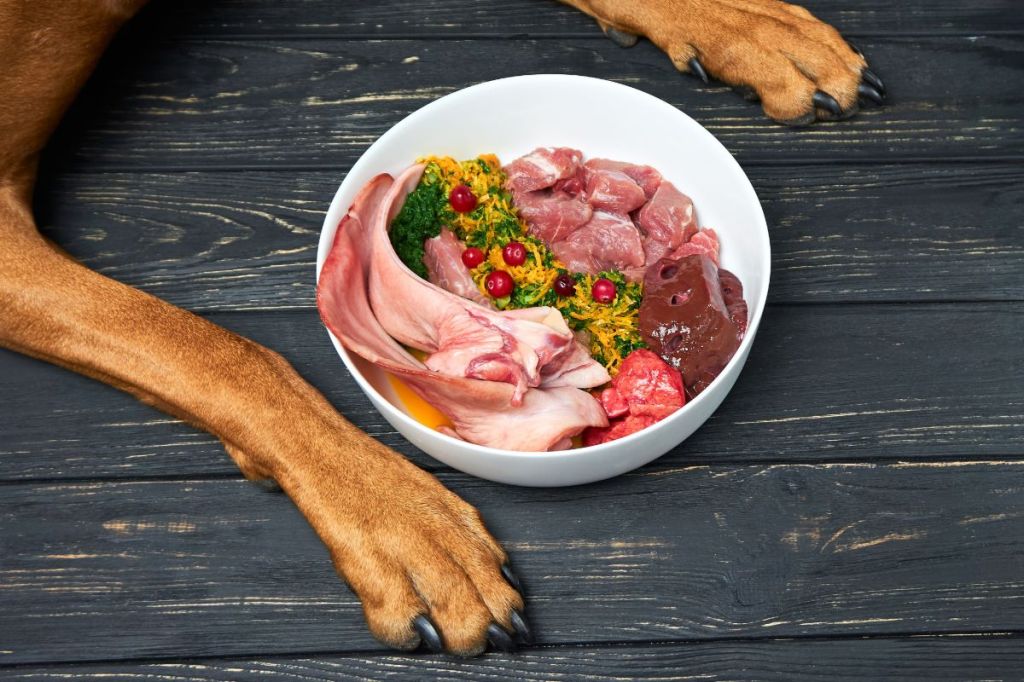
When comparing raw food to commercial dog food, one of the key advantages of raw feeding is its richness in natural nutrients and enzymes. Raw food, often consisting of fresh meat, bones, organs, and vegetables, provides a wide array of essential vitamins, minerals, and antioxidants that are typically lost or diminished during the processing of commercial dog food. These nutrients play a vital role in supporting a dog’s overall health and well-being.
Moreover, raw food offers increased bioavailability of nutrients. The natural form and minimal processing of raw ingredients allow for optimal absorption and utilization of nutrients by a dog’s body. This means that the nutrients present in raw food are more readily available and easily digested compared to the heavily processed ingredients found in commercial dog food. As a result, dogs on a raw diet can benefit from improved digestion and nutrient absorption, maximizing the nutritional value they receive from their meals.
The positive effects of raw feeding extend beyond nutrient content. The presence of natural enzymes in raw food aids in the breakdown of food, making it easier for dogs to digest and assimilate the nutrients. These enzymes support a healthy digestive system, potentially reducing issues such as gas, bloating, and diarrhea. Additionally, the high moisture content in raw food can help keep dogs hydrated and support healthy bowel movements.
By opting for a raw feeding approach, dog owners can provide their furry companions with a diet that closely mimics what their ancestors consumed in the wild. This biologically appropriate diet can lead to a host of benefits, including improved energy levels, healthier skin and coat, and even potential weight management. It is important to note that transitioning to a raw diet should be done gradually and with proper guidance from a veterinarian to ensure a balanced and complete diet for your dog.
Enhanced Digestive Health
Raw feeding plays a crucial role in promoting a healthy gut for dogs. By providing a diet consisting of raw, unprocessed ingredients, dogs can benefit from the natural enzymes and nutrients present in their food. This can contribute to a balanced and diverse gut microbiome, which is essential for optimal digestive health. Additionally, raw feeding has been linked to a decreased risk of food allergies and intolerances in dogs. Commercial dog foods often contain fillers, additives, and potential allergens that can trigger adverse reactions. By eliminating these ingredients and feeding a species-appropriate raw diet, dogs are less likely to develop sensitivities or allergies to their food.
One noticeable advantage of raw feeding is the improvement in stool quality and reduced odor. Raw diets are typically more easily digested and assimilated by dogs, leading to firmer stools with less odor. This is attributed to the absence of fillers, artificial additives, and processed ingredients that can disrupt the digestive process. Dogs on raw diets often experience more efficient nutrient absorption, resulting in well-formed stools that are easier to manage and clean up.
Furthermore, dogs with pre-existing digestive issues or sensitivities can greatly benefit from a raw food diet. Raw feeding offers a gentler approach to nourishing the digestive system, as it avoids potential irritants found in processed foods. For dogs with sensitive stomachs or those suffering from conditions like inflammatory bowel disease (IBD) or pancreatitis, a raw diet can provide relief and support healing. The natural and biologically appropriate ingredients in raw food are often easier on the digestive system, reducing inflammation and discomfort.
Boosted Immune System
Raw feeding has a profound impact on a dog’s immune system, making it stronger and more resilient. By providing dogs with a natural, unprocessed diet, raw feeding promotes increased resistance to diseases and infections. The abundance of vitamins, minerals, and antioxidants found in raw food helps bolster the immune system, enabling dogs to better fight off pathogens and stay healthy. Additionally, raw feeding has been associated with a potential reduction in chronic inflammation, which is often linked to various health issues in dogs. By reducing inflammation, raw feeding supports optimal health and longevity, allowing dogs to thrive and enjoy a higher quality of life. The immune-boosting properties of raw feeding serve as a preventive measure, helping to keep dogs healthier and reducing their susceptibility to illness, ultimately leading to a happier and longer life for our furry friends.
Dental Health and Oral Hygiene
Raw feeding offers natural teeth-cleaning properties that can significantly benefit a dog’s dental health. When dogs consume raw food, the chewing action and texture of raw meat, bones, and connective tissues help mechanically clean their teeth. This natural abrasion can effectively remove plaque buildup, reducing the risk of tartar formation and gum disease. By incorporating raw feeding into a dog’s diet, pet owners may witness improved oral hygiene, fresher breath, and healthier gums. Moreover, dogs with dental sensitivities or missing teeth can particularly benefit from raw feeding. The soft texture of raw food allows them to chew comfortably, ensuring they still receive the necessary nutrients for their overall health while minimizing discomfort in their mouths. Whether it’s preventing dental issues or providing relief for dogs with dental sensitivities, raw feeding can play a crucial role in maintaining optimal dental health for our beloved canine companions.
Weight Management and Muscle Development
Raw feeding can serve as a valuable tool for maintaining a healthy weight in dogs. One of the significant advantages of raw feeding is the ability to control the ratios of protein, fat, and carbohydrates in a dog’s diet. Unlike commercial dog food, which may contain fillers and additives, raw diets allow for a more precise balance of macronutrients. This balanced ratio supports optimal weight management by providing dogs with the right amount of energy and nutrients they need without excess calories.
Furthermore, raw feeding promotes the development of lean muscle mass and overall strength in dogs. High-quality protein sources, such as raw meat, are essential for muscle growth and repair. By providing dogs with a raw diet rich in protein, they can develop and maintain strong muscles, allowing them to thrive physically. Additionally, the natural fats present in raw food contribute to healthy skin and coat, providing dogs with a radiant appearance that reflects their overall well-being.
It’s important to note that individual dogs may have varying nutritional needs based on factors like age, activity level, and overall health. Consulting with a veterinarian or a professional who specializes in raw feeding can help ensure the diet is tailored to meet the specific requirements of each dog. By customizing the raw diet to their unique needs, dog owners can optimize weight management and muscle development, contributing to the long-term health and vitality of their beloved pets.
Addressing Concerns and Precautions
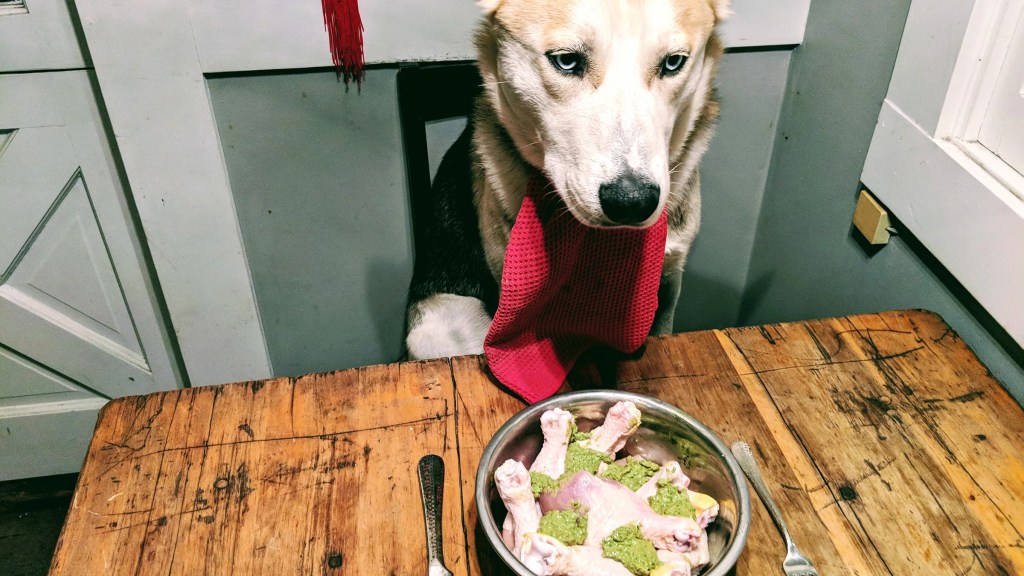
When it comes to raw feeding for dogs, it’s crucial to prioritize safety considerations when handling and preparing raw food. Raw meat carries the risk of bacterial contamination, such as salmonella or E. coli, which can be harmful to both dogs and humans. It’s important to maintain proper hygiene practices, such as washing hands thoroughly after handling raw food and disinfecting surfaces and utensils used in food preparation. Additionally, raw bones should be carefully chosen to avoid any risk of choking or dental damage.
Certain dog populations may require additional precautions when it comes to raw feeding. Puppies, senior dogs, or dogs with compromised immune systems may be more susceptible to bacterial infections. In these cases, it is advisable to consult with a veterinarian before introducing a raw diet. Pregnant or lactating dogs also have specific nutritional needs that should be taken into account when formulating a balanced raw diet.
Working closely with a veterinarian is essential to ensure a balanced raw diet for dogs. They can provide guidance and tailor the diet to the specific needs of the individual dog, taking into consideration factors such as age, breed, size, and any existing health conditions. A veterinarian can help assess the dog’s nutrient requirements and advise on the appropriate ratios of meat, bones, organs, and supplements to ensure a well-rounded and complete diet.
Regular check-ups and monitoring of the dog’s health are important when transitioning to a raw diet. The veterinarian can conduct necessary tests to assess the dog’s overall health and make any adjustments to the diet as needed. They can also provide guidance on sourcing high-quality ingredients and recommend reputable raw food brands or help with formulating homemade raw diets.
Remember, collaboration with a knowledgeable veterinarian is crucial to ensure that your dog receives a balanced and safe raw diet. They can provide the necessary guidance and oversight to help your dog thrive on a raw food regimen while minimizing any potential risks or complications.
Conclusion
Raw feeding offers numerous benefits for dogs, making it a compelling option for pet owners. By providing a recap of these advantages, we can highlight why raw feeding is gaining popularity. Firstly, raw feeding offers improved nutritional value compared to commercial dog food. Raw diets are rich in natural nutrients and enzymes, which can enhance digestion and nutrient absorption in dogs. Additionally, the bioavailability of nutrients in raw food is higher, ensuring that dogs receive optimal nourishment.
Moreover, raw feeding contributes to enhanced digestive health by reducing the risk of food allergies and intolerances. Dogs on raw diets often experience improved stool quality and reduced odor, indicating a healthier digestive system. Furthermore, raw feeding supports a robust immune system, making dogs more resistant to diseases and infections. This type of diet may even help in reducing chronic inflammation, promoting overall health and longevity for our furry friends.
Another benefit of raw feeding is its positive impact on dental health and oral hygiene. Raw food’s natural teeth-cleaning properties can help prevent dental issues such as tartar buildup and gum disease, leading to better oral health. Furthermore, raw feeding can aid in weight management and muscle development, thanks to a balanced ratio of protein, fat, and carbohydrates. This promotes healthy weight maintenance and the development of lean muscle mass in dogs.
While raw feeding offers numerous advantages, it is essential to address concerns and take precautions. Pet owners should handle and prepare raw food with caution to ensure food safety. Additionally, specific dog populations may require special considerations, so consulting with a veterinarian is crucial to ensure a balanced raw diet that meets individual needs.
In conclusion, the benefits of raw feeding for dogs are clear and extensive. It is a natural and wholesome approach to nourishing our furry companions, positively impacting their overall health and well-being. Encouraging further research and consideration of raw feeding can lead to healthier and happier lives for our beloved dogs.

 The Pup Post - Your Ultimate Guide to Happy and Healthy Dogs