
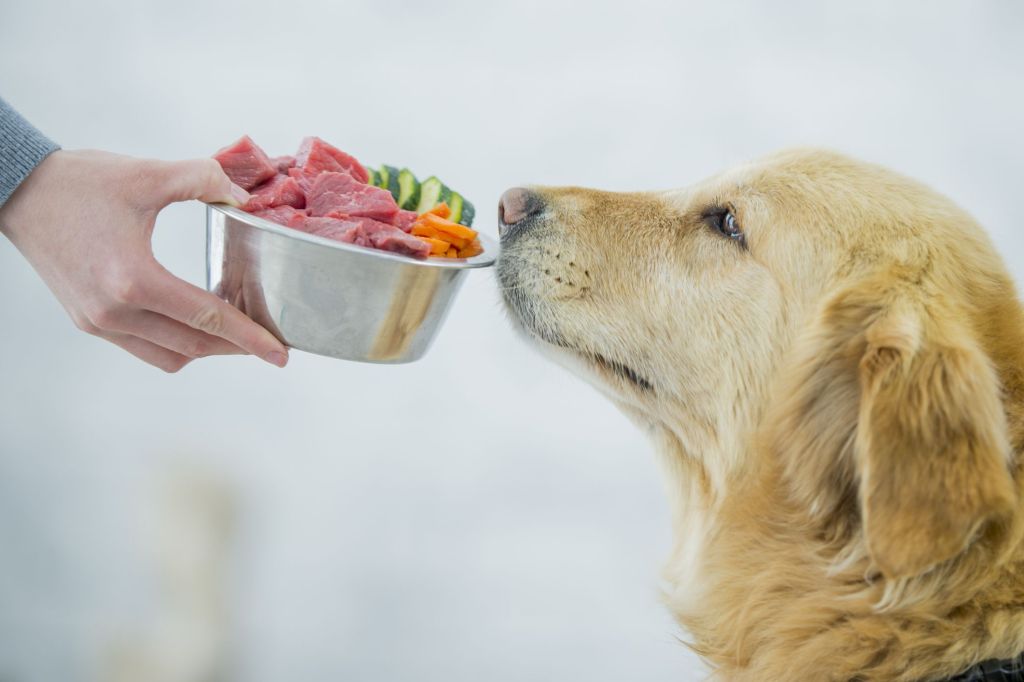
Proper dog nutrition is essential for a dog’s overall health and well-being. A dog’s diet should provide all the essential nutrients, vitamins, and minerals required for proper growth, development, and maintenance of the body. Just like humans, dogs also need a balanced and nutritious diet to stay healthy, active, and happy. This article will discuss the specifics of what a dog needs in its diet and why.
Protein is an essential nutrient that helps to build and repair muscles, tissues, and organs in the body. It is also important for maintaining a healthy coat, skin, and immune system. Dogs require a higher protein diet than humans because they have a faster metabolism and need to burn more energy. Protein should make up at least 18% of a dog’s diet, and it should come from high-quality sources such as meat, fish, eggs, and dairy products.
Carbohydrates are an excellent source of energy for dogs. They provide the fuel that dogs need to run, jump, and play. However, dogs do not require large amounts of carbohydrates in their diet, and excessive amounts can lead to weight gain and other health issues. Good sources of carbohydrates for dogs include brown rice, sweet potatoes, and fruits.
Fats are an essential nutrient for dogs as they provide a concentrated source of energy. They are also important for maintaining healthy skin and coat and for the proper functioning of the nervous system. However, just like with carbohydrates, excessive amounts of fat can lead to obesity and other health issues. Good sources of fat for dogs include fish, poultry, and vegetable oils.
Vitamins and Minerals Dogs require a range of vitamins and minerals to maintain good health. Vitamins such as vitamin A, B, C, and D are important for maintaining healthy skin, bones, and teeth. Minerals such as calcium, phosphorus, and potassium are essential for maintaining strong bones and teeth. Good sources of vitamins and minerals for dogs include fruits, vegetables, and whole grains.
Water is an essential nutrient that is often overlooked when it comes to dog nutrition. Dogs need access to clean and fresh water at all times to maintain proper hydration levels. Water is necessary for regulating body temperature, digestion, and waste removal.
When choosing dog food, it is important to read the labels carefully to ensure that the food provides all the necessary nutrients in the correct amounts. Look for dog food that is labeled “complete and balanced” as this means that it meets the nutritional requirements set by the Association of American Feed Control Officials (AAFCO).
It is also important to consider the age, breed, and activity level of the dog when selecting dog food. Puppies require a higher protein and fat diet than adult dogs because they are still growing and developing. Large breed dogs require food that is lower in calories and calcium to prevent growth-related health issues. Active dogs require more calories and protein than sedentary dogs.
In addition to choosing the right food, it is also important to feed dogs the appropriate amount of food. Overfeeding can lead to obesity and other health issues, while underfeeding can lead to malnutrition and stunted growth. The appropriate amount of food will depend on the dog’s age, breed, and activity level.
Proper nutrition is essential for a dog’s overall health and well-being. A balanced and nutritious diet should provide all the essential nutrients, vitamins, and minerals required for proper growth, development, and maintenance of the body. When choosing dog food, it is important to read the labels carefully, consider the age, breed, and activity level of the dog, and feed the appropriate amount of food. By providing your dog with a healthy and balanced diet, you can help ensure that they live a long, healthy, and happy life.


One response to “Balanced Canine Diet: The Key to Proper Dog Nutrition”
[…] dilated cardiomyopathy, and Von Willebrand’s disease. Regular veterinary check-ups and a healthy diet can help prevent these […]
LikeLike