
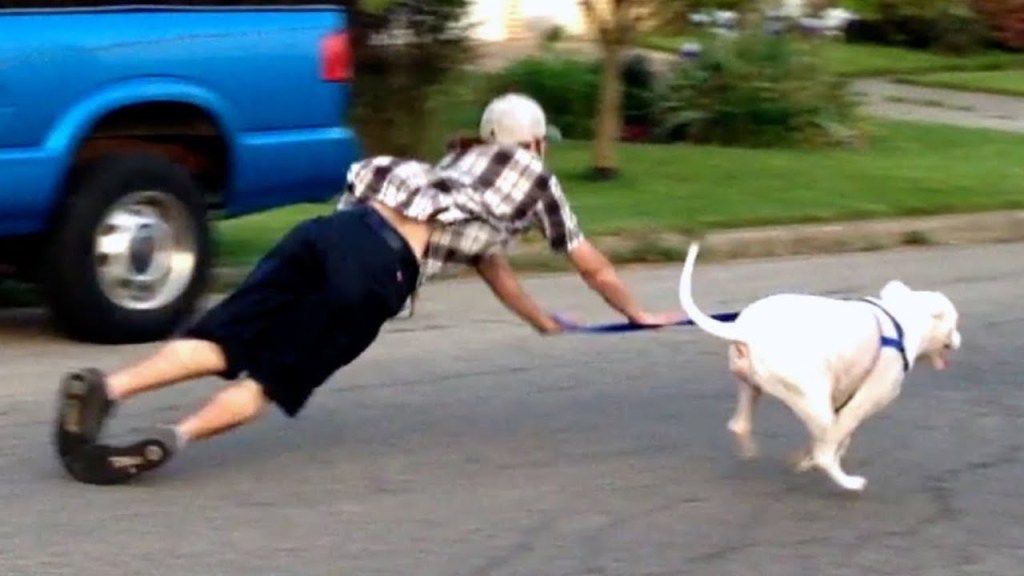
Leash training is an essential aspect of dog ownership, and it is necessary for the safety and wellbeing of your pet. Whether you have a new puppy or an older dog, leash training can be a challenging task. However, with patience and consistency, you can teach your dog to walk calmly on a leash and enjoy the experience. In this guide, we will provide tips and strategies on how to leash train your puppy and your dog. Additionally, we will provide advice on how to break bad habits and ensure that your dog behaves appropriately while on a leash. By following these guidelines, you can create a positive experience for you and your furry friend during leash training.
Leash Training for Puppies
- Introduce the Leash Gradually: Start by introducing the puppy to the leash in a non-threatening way. Let your puppy sniff and investigate the leash, and give it treats for positive reinforcement.
- Practice Indoors First: Begin by practicing indoors, where there are fewer distractions. Put the leash on your puppy and let it drag it around while supervising it. Gradually pick up the leash and lead your puppy around.
- Keep Training Sessions Short: Puppies have a short attention span, so keep training sessions short and fun. Keep practicing the same thing over and over again until your puppy gets used to it.
- Use Positive Reinforcement: Give your puppy lots of praise and treats when it behaves well on the leash. This positive reinforcement will help your puppy associate the leash with good things.
- Be Patient: Leash training takes time, so be patient and don’t get frustrated if your puppy doesn’t get it right away. Continue to practice and be consistent in your training.
Leash Training for Dogs
- Address Any Bad Habits: If your dog has developed any bad habits, such as pulling or jumping, address those issues before starting leash training. Work on basic obedience training and teaching your dog to follow commands.
- Use Positive Reinforcement: Positive reinforcement is key when it comes to leash training. Reward your dog with treats and praise when it walks calmly on the leash.
- Start Slow: Begin by walking in a quiet area with few distractions. As your dog gets better, gradually increase the distractions and difficulty level.
- Teach Your Dog to Walk on a Loose Leash: Your dog should learn to walk on a loose leash, without pulling or dragging you. Use treats to reward your dog when it walks calmly by your side.
- Correct Bad Behavior: If your dog pulls or tries to run away, stop walking and stand still. Wait for your dog to calm down before starting again. Consistency is key when it comes to correcting bad behavior.
- End on a Positive Note: End each training session on a positive note, with praise and treats for good behavior. This will help your dog associate leash training with positive experiences.
Breaking Bad Habits in Leash Training
- Identify the Problem: Before you can break a bad habit, you need to identify what the problem is. Is your dog pulling on the leash, jumping, or refusing to walk?
- Address the Underlying Issue: Bad habits often have an underlying issue. For example, if your dog is pulling on the leash, it may be because it’s trying to get to something it’s excited about. Address the underlying issue to help break the bad habit.
- Use Positive Reinforcement: Positive reinforcement is key when it comes to breaking bad habits. Reward your dog with treats and praise when it behaves well on the leash.
- Be Consistent: Consistency is key when it comes to breaking bad habits. Continue to work on correcting the bad behavior every time it happens.
- Seek Professional Help: If you’re struggling to break a bad habit, seek professional help. A professional dog trainer can help you identify the underlying issue and come up with a training plan to correct the bad behavior.
Good leash training is crucial for the safety, well-being, and happiness of your dog or puppy. It not only ensures that your furry friend remains under your control but also helps prevent accidents and dangerous situations. A well-trained dog on a leash is a joy to walk with and can make outdoor activities more enjoyable for both you and your pet. Remember to always be patient, consistent, and use positive reinforcement when training your dog on a leash. With time and effort, your dog can become a well-behaved and well-trained companion for all your adventures.


