
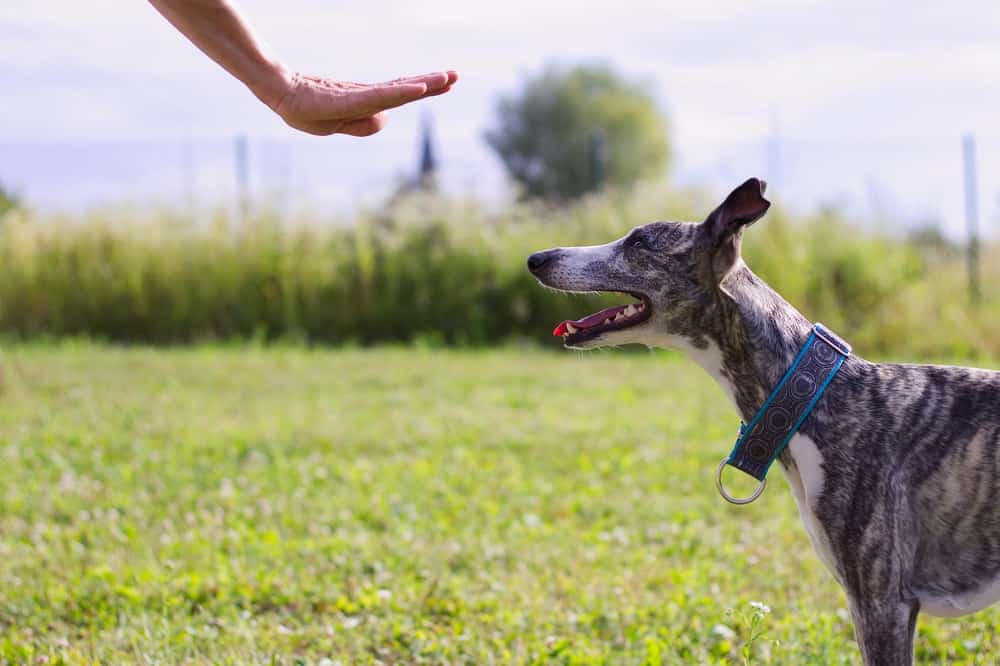
Teaching your dog to “stay” is an essential command that can provide safety, control, and convenience in various situations. It is a foundational obedience command that establishes boundaries and enhances your dog’s behavior. Whether you have a new puppy or an older dog, training them to stay is a valuable skill that every dog owner should consider. In this article, we will delve into the process of teaching your dog to stay, step-by-step, and highlight important considerations and techniques to ensure success.
Step 1: Choose a Quiet and Distraction-Free Area
When you first start teaching your dog to stay, it’s important to choose a quiet and distraction-free area. This will help your dog focus and minimize any external distractions that may interfere with the training process. A quiet room in your home or a fenced-off area in your backyard can be ideal for this purpose.
Step 2: Start with the Basic Commands
Before introducing the “stay” command, make sure your dog has a solid understanding of basic commands like “sit” and “down.” These commands will serve as a foundation for teaching the stay command, as your dog needs to be able to follow these basic commands before moving on to more advanced commands like “stay.”
Step 3: Use a Positive Reinforcement Approach
Positive reinforcement is a proven and effective training method that uses rewards to encourage desired behaviors. When teaching your dog to stay, always use a positive reinforcement approach. This means rewarding your dog with treats, praise, and affection for performing the desired behavior.
Step 4: Start with Short Distances
Begin by standing in front of your dog, giving them the “sit” or “down” command, and then asking them to “stay.” Take one step back and return to your dog, rewarding them with a treat and praise for staying in place. Gradually increase the distance as your dog becomes more comfortable with the command. Remember to always reward your dog for staying in place, even if it’s just for a few seconds initially.
Step 5: Add Duration and Distractions
Once your dog is comfortable staying in place for short distances, gradually increase the duration of the stay. You can start by waiting for a few seconds before returning to your dog and rewarding them. Gradually increase the duration to several seconds, then to a minute, and so on. Additionally, you can start adding distractions, such as tossing a toy or making noises, to test your dog’s ability to stay focused and stay in place.
Step 6: Practice in Different Environments
It’s important to practice the “stay” command in different environments to help your dog generalize the command. Practice in different rooms of your house, in your backyard, in a park, or other outdoor locations. This will help your dog learn to stay regardless of the environment they are in.
Step 7: Use a Release Command
Once your dog has mastered the stay command, it’s important to teach them a release command. This command signals to your dog that they are free to move from the stay position. You can use words like “okay” or “release” as your release command. Be consistent with your chosen release command and use it every time you want your dog to end the stay.
Step 8: Gradually Increase Difficulty
As your dog becomes proficient with the stay command in different environments and with distractions, you can gradually increase the difficulty level. This can include adding more distractions, increasing the distance, or introducing movement while your dog stays in place. Always reward and reinforce the desired behavior, and be patient and consistent throughout the training process.
Conclusion
Teaching your dog to stay is an important command that provides safety, control, and convenience in various situations. By following these easy steps and using a positive reinforcement approach, you can successfully train your dog to stay. Remember to be patient, consistent, and always prioritize your dog’s safety and well-being. With practice and dedication, your dog will become proficient in staying in place on command, and you will have a well-trained and obedient canine companion by your side. Happy training!


One response to “Safety First: Mastering the Stay Command for Your Canine Companion”
[…] environments and can handle different types of distractions. Basic obedience commands such as sit, stay, come, and down are also vital for a service dog to learn, as they form the foundation for more […]
LikeLike