
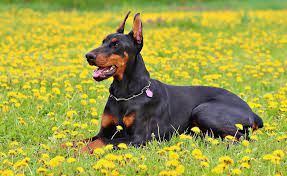
Dobermans are a popular breed of dog that has been around for over a century. Known for their loyalty, intelligence, and protective instincts, they make great guard dogs, working dogs, and companions. However, like any breed, they require proper training, socialization, and care to thrive. In this comprehensive guide, we will explore all aspects of Dobermans, from their history and characteristics to their health and training needs.
Dobermans were originally bred in Germany in the late 1800s by a man named Karl Dobermann. He wanted to create a dog that was loyal, intelligent, and protective. Dobermans were initially used as guard dogs, but their versatility and trainability soon made them popular as working dogs and companions.

Dobermans are a medium to large breed with a muscular build and sleek coat. They typically weigh between 60-100 pounds and stand 24-28 inches tall at the shoulder. Dobermans come in four recognized colors: black, red, blue, and fawn. They are known for their protective instincts and make excellent guard dogs. They are naturally suspicious of strangers and will bark to alert their owners of potential threats. However, it’s important to socialize them properly so they can distinguish between real threats and harmless strangers
Dobermans are also used as working dogs in a variety of fields, including law enforcement, search and rescue, and therapy. Their intelligence and trainability make them well-suited for these roles, and they are often praised for their dedication and work ethic. While they are great working dogs, Dobermans also make loyal and affectionate companions. They are known for their strong bond with their owners and are happiest when they are part of a family. However, they can be reserved around strangers, so it’s important to socialize them from an early age.
Dobermans are highly intelligent and respond well to positive reinforcement training. However, they can be strong-willed and require consistent and firm training. It’s also important to socialize them from an early age to prevent aggression or shyness. Dobermans are generally healthy dogs, but they are prone to certain health issues such as hip dysplasia, dilated cardiomyopathy, and Von Willebrand’s disease. Regular veterinary check-ups and a healthy diet can help prevent these issues.
Dobermans are a high-energy breed and require daily exercise to stay healthy and happy. They enjoy activities like running, hiking, and playing fetch. They also require a balanced diet to maintain their muscular build and prevent obesity. Dobermans have a short, sleek coat that requires minimal grooming. However, they do shed seasonally, and regular brushing can help reduce shedding. They also require regular nail trimming, ear cleaning, and dental care.

Dobermans can make great family pets, but it’s important to supervise interactions between children and dogs to prevent accidents. Proper training and socialization can help make any addition to the family a great choice. A Doberman is guaranteed to bring a lot of energy and loyalty to you life.

 The Pup Post - Your Ultimate Guide to Happy and Healthy Dogs