
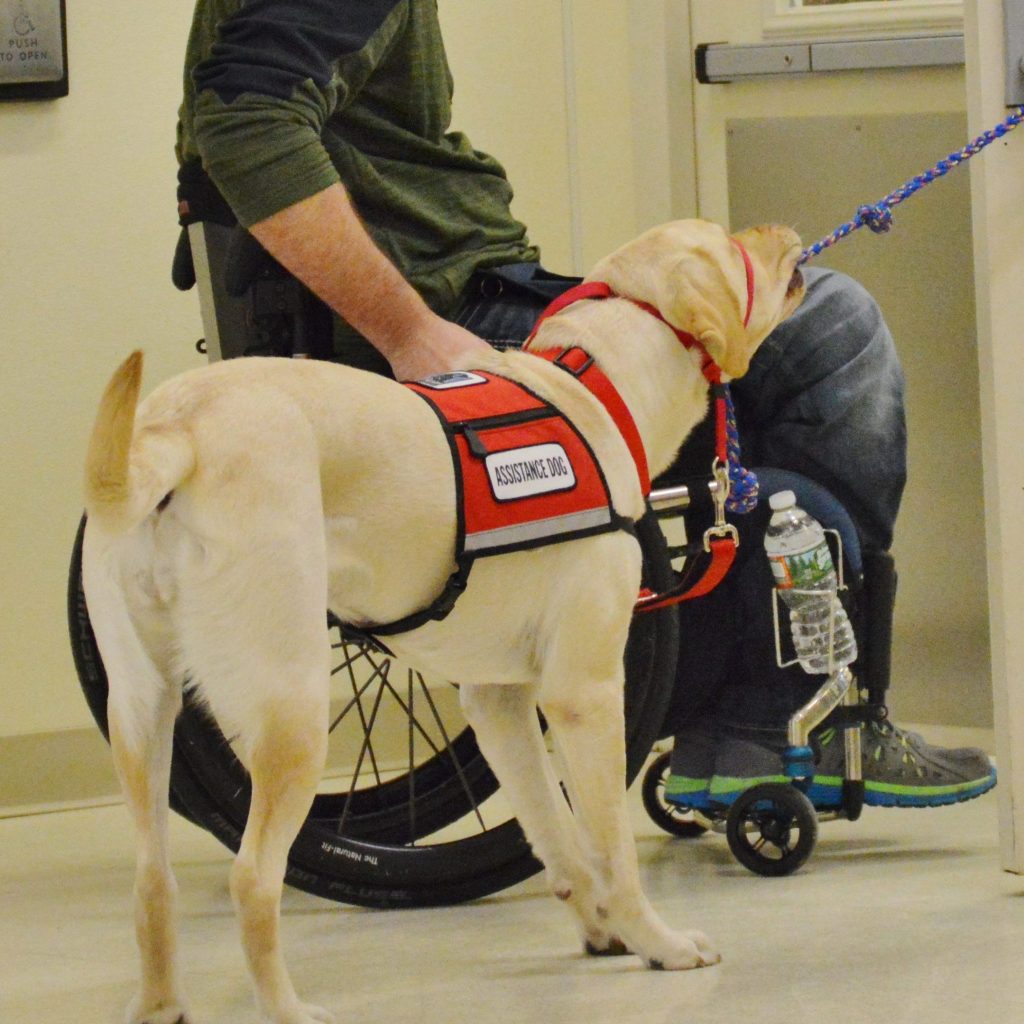
In today’s world, service dogs play an important role in supporting people with disabilities and medical conditions. These specially trained animals can assist their owners with everyday tasks and alert them to potential emergencies. However, training a service dog is a complex process that requires patience, skill, and dedication. In this article, we will explore the qualities that make a good service dog candidate, the different types of service dogs, and the key elements of a successful service dog training program. We will also provide tips for training a service dog, discuss the rights of service dogs and their handlers in public places, and address some of the common challenges that can arise during the training process. By the end of this article, you will have a better understanding of what it takes to train a successful service dog and provide invaluable support to people in need.
Table of Contents
- Introduction
- Qualities of a service dog candidate
- Types of service dogs
- Choosing a service dog training program
- Basic training for service dogs
- Advanced training for service dogs
- Tips for training a service dog
- Rights of service dogs and handlers in public places
- Challenges in training a service dog
- Conclusion
Introduction
A service dog is a specially trained animal that performs specific tasks to assist people with disabilities or medical conditions. These dogs are trained to help their owners with everyday tasks such as retrieving items, opening doors, or even alerting them to oncoming medical emergencies. Training a service dog is a critical process that requires patience, dedication, and the help of expert trainers. In this article, we will provide tips and insights from experienced professionals on how to train a service dog, ensuring that it can perform its duties efficiently and safely.
Qualities of a service dog candidate
When it comes to training a service dog, it is important to select a suitable candidate that possesses the right qualities. Firstly, the breed of the dog plays a crucial role in its ability to become a service dog. Breeds that are commonly trained as service dogs include Golden Retrievers, Labrador Retrievers, and German Shepherds. Secondly, the age of the dog is another important consideration. Ideally, service dog candidates should be between 1-2 years old, as they have passed their puppy phase but are still young enough to learn and adapt easily. Finally, the temperament of the dog is key. A good service dog candidate should have a calm and friendly temperament, be eager to please, and have a strong desire to work and help their owner.
Types of service dogs
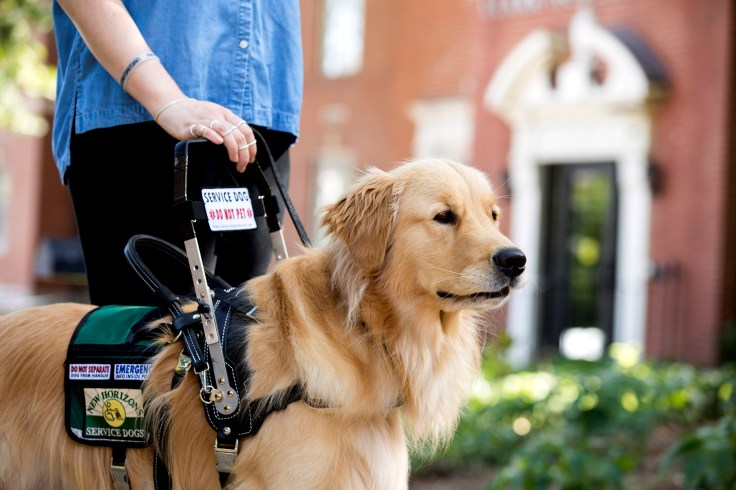
Service dogs are trained to perform a wide range of tasks to assist people with disabilities. There are several types of service dogs that are trained to help individuals with specific needs. The most common types of service dogs include guide dogs for the visually impaired, hearing dogs for the hearing impaired, mobility assistance dogs for people with physical disabilities, and medical alert dogs for people with medical conditions. Each type of service dog is trained to perform specific tasks that are tailored to the needs of the individual they are assisting. Guide dogs, for example, are trained to guide their visually impaired handlers around obstacles and navigate complex environments, while hearing dogs are trained to alert their handlers to important sounds such as alarms, doorbells, and phones.
Choosing a service dog training program
When choosing a service dog training program, it is important to do your research to find the right fit for you and your dog. Start by researching different programs in your area and reading reviews from past clients. Once you have narrowed down your options, evaluate the program’s trainers and their experience with service dog training. Look for programs that have trainers who specialize in the type of service work you need, such as mobility or psychiatric support. It is also important to find a program that fits your needs, whether that be in-person or virtual training, and has a curriculum that aligns with your goals for your service dog.
Basic training for service dogs
Basic training is a crucial part of preparing a service dog for their important work. Housebreaking and crate training are the first steps to help the dog learn good behavior and understand boundaries. Leash training is also essential to ensure the dog is comfortable walking in different environments and can handle different types of distractions. Basic obedience commands such as sit, stay, come, and down are also vital for a service dog to learn, as they form the foundation for more advanced training. A well-trained service dog is better equipped to assist their handler and perform their duties reliably.
Advanced training for service dogs
Once a service dog has mastered basic obedience and task training, they can move on to more advanced training. This includes learning specialized tasks that cater to specific disabilities, such as guide work for the visually impaired, alerting for the hearing impaired, and retrieving for those with mobility issues. Additionally, service dogs need to be trained for public access, which includes learning how to behave in busy environments, ignore distractions, and obey commands from their handler even in high-stress situations. Socialization training is also crucial for service dogs, as they need to be comfortable around people, other animals, and various settings. With advanced training, service dogs can become invaluable partners to their handlers and greatly improve their quality of life.
Tips for training a service dog
To effectively train a service dog, there are a few key tips to keep in mind. First and foremost, positive reinforcement training is crucial. This means rewarding the dog for desired behaviors, rather than punishing them for mistakes. Consistency in training is also important, as dogs thrive on routine and predictability. It’s important to set a regular training schedule and stick to it. Finally, patience and persistence are key. Service dog training can take time and effort, but with dedication and perseverance, the end result can be a highly skilled and reliable companion.
Rights of service dogs and handlers in public places
It’s important to understand the rights of service dogs and their handlers in public places. Service dogs are allowed to accompany their handlers anywhere the public is allowed, including stores, restaurants, and public transportation. However, it’s important for the public to be aware of proper etiquette when encountering a service dog team. This includes not petting the dog without permission, not offering the dog food or treats, and not distracting the dog from its duties. It’s also important to educate others about the role of service dogs and the importance of respecting their work.
Challenges in training a service dog
Training a service dog can be a challenging process, and there are a number of common challenges that owners and trainers may face. One of the biggest challenges is overcoming distractions, as service dogs need to be able to focus on their tasks even in busy or chaotic environments. Additionally, setbacks can occur during the training process, such as a dog experiencing anxiety or becoming unresponsive to commands. Finally, training a service dog for multiple tasks can be complex and require patience and diligence from the trainer. However, with the right strategies and techniques, these challenges can be overcome to help create a successful service dog partnership.
Conclusion
Training a service dog is a critical process that requires selecting a suitable candidate with the right qualities, choosing the right training program, and providing basic and advanced training. Positive reinforcement training, consistency, patience, and persistence are essential for effective training. Service dogs and their handlers have rights in public places, and it’s important for the public to respect their work. Although there may be challenges in training a service dog, with the right strategies and techniques, these can be overcome to create a successful partnership between the dog and their handler. Service dogs are invaluable companions that greatly improve the quality of life for their owners with disabilities or medical conditions.

 The Pup Post - Your Ultimate Guide to Happy and Healthy Dogs