
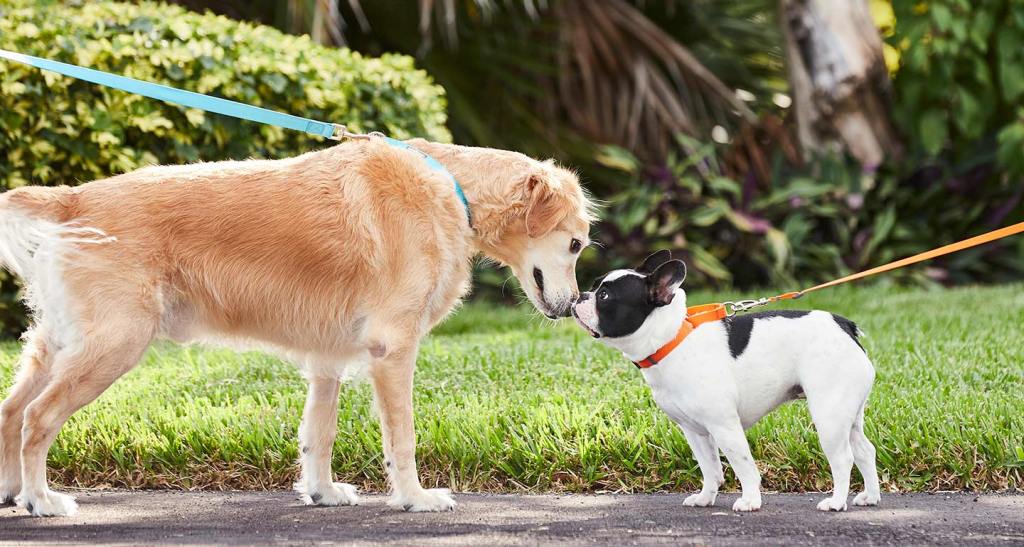
Bringing a new puppy home can be an exciting time, but it’s also important to ensure that your puppy is properly socialized with other dogs. Socialization is crucial for puppies to develop into well-adjusted and happy adult dogs. However, introducing your puppy to other dogs can also come with potential risks, such as exposure to diseases or aggressive behavior. In this guide, we’ll provide you with tips and techniques on how to safely socialize your puppy with other dogs, so that you can set your puppy up for a lifetime of positive social interactions with other dogs.
Introduction
Socializing your puppy with other dogs is an essential part of their development. It helps them learn how to interact with other dogs and people, build confidence, and develop social skills that will benefit them throughout their lives. Proper socialization can prevent behavior problems such as aggression, fear, and anxiety.
There are several benefits of socialization, including preventing behavior problems, reducing stress and anxiety, increasing confidence and adaptability, and promoting overall health and well-being. Dogs that are well-socialized tend to be happier, healthier, and more well-adjusted.
In this article, we will discuss how to safely socialize your puppy with other dogs. We will provide tips and strategies for introducing your puppy to other dogs, recognizing signs of stress and aggression, and creating positive experiences that will help your puppy build strong social skills.
When to Start Socializing
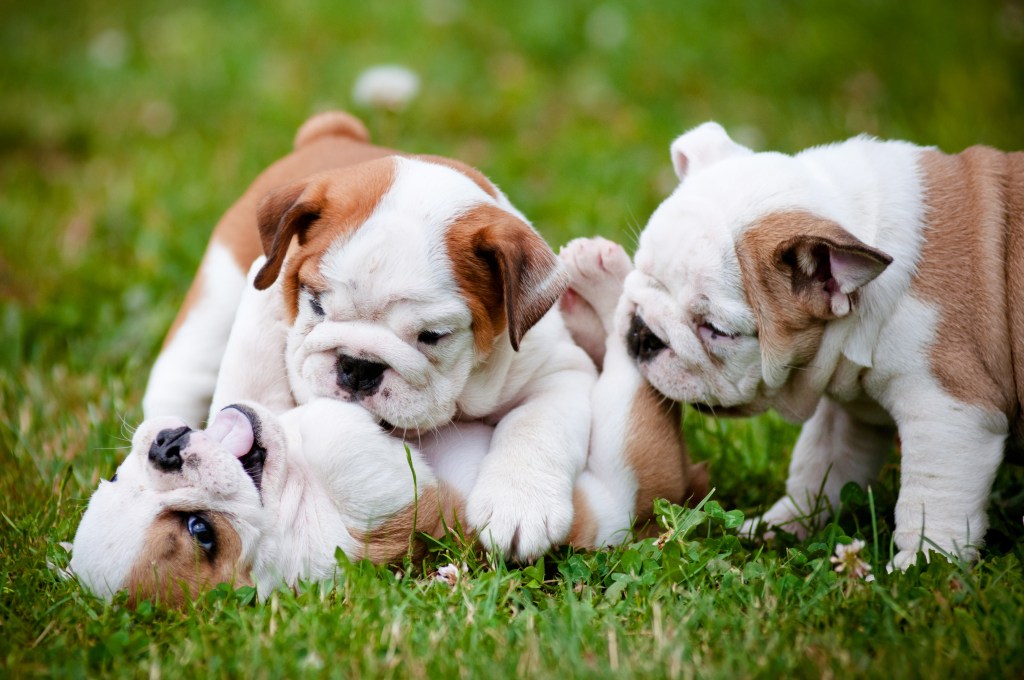
It is essential to start socializing your puppy at the right age to ensure they develop into a well-behaved and friendly dog. The ideal age to begin socializing your puppy is between 3 and 14 weeks old. This is the prime period of socialization, also known as the critical period, during which puppies are most receptive to new experiences and are less likely to develop fear or aggression towards other dogs.
However, it is essential to take your puppy’s individual needs and temperament into account when starting socialization. Some puppies may be ready to socialize earlier, while others may need more time to develop confidence before being introduced to new situations.
On the other hand, delaying socialization can lead to behavioral problems such as fear and aggression towards other dogs, which can be challenging to correct later in life.
It is crucial to find a balance between starting socialization early enough to take advantage of the critical period while not overwhelming your puppy and delaying it too long to avoid potential behavioral problems.
Starting socialization at the right age, and at a pace that suits your puppy, is crucial for their emotional and social development.
How to Socialize Your Puppy
As your puppy becomes more comfortable with these initial interactions, you can gradually increase their exposure to other dogs in safe environments. Consider taking them to a local dog park or joining a puppy socialization class to give them more opportunities to interact with other dogs. Always make sure that the other dogs your puppy is interacting with are well-behaved, friendly, and up-to-date on their vaccinations.
When it comes to socializing your puppy with other dogs, it’s essential to take things slowly and start with supervised interactions with calm, friendly dogs. It’s best to introduce your puppy to other dogs one-on-one initially, rather than in large groups, so that they don’t feel overwhelmed or scared. This is especially important if your puppy is naturally timid or anxious.
It’s important to avoid overwhelming situations when socializing your puppy. This includes crowded areas, loud noises, and unfamiliar environments. These types of situations can be frightening for puppies and may cause them to become anxious or aggressive. It’s also important to avoid interactions with dogs that show signs of aggression, as this can be dangerous for your puppy.
Another important aspect of socializing your puppy is training them to respond to commands. Basic obedience training can help your puppy learn how to behave appropriately around other dogs and humans. This includes commands like “sit,” “stay,” “come,” and “leave it.” By training your puppy to respond to these commands, you can help prevent unwanted behaviors and keep them safe in social situations.
Socializing your puppy with other dogs is an important part of their development and well-being. By taking things slowly, starting with supervised interactions, gradually increasing exposure to other dogs, avoiding overwhelming situations, and training your puppy to respond to commands, you can help them develop positive social skills and ensure that they have a happy, healthy life.
Signs of Safe and Unsafe Interactions
During puppy socialization, it’s essential to keep a close eye on their body language and vocalizations to determine whether the interaction is safe or unsafe. A happy and relaxed puppy will have a wagging tail, loose body language, and open mouth with a relaxed expression. On the other hand, a fearful puppy may show signs of discomfort such as cowering, tucking their tail between their legs, and having a stiff body. In contrast, an aggressive puppy may have their ears pinned back, bared teeth, and growling.
If your puppy is showing signs of fear or aggression, it’s essential to address the issue immediately. Remove them from the situation and give them some space and time to calm down. If your puppy is fearful, try to create a positive association with the other dog by offering treats or toys, and gradually reintroduce them to the other dog. If your puppy is aggressive, it’s crucial to seek professional help from a dog trainer or behaviorist to address the issue before it becomes a severe problem.
As a responsible dog owner, it’s important to be aware of the signs of safe and unsafe interactions and intervene accordingly. Keep a close eye on your puppy’s body language and vocalizations, and don’t hesitate to remove them from the situation if you sense any discomfort or danger. With patience and positive reinforcement, you can help your puppy socialize safely and build positive relationships with other dogs.
Precautions for Safe Socialization
Socializing your puppy with other dogs can be a fun and rewarding experience for both you and your furry friend. However, it’s important to take precautions to ensure that the experience is safe and positive for everyone involved.
One of the most important precautions is to ensure that your puppy is up to date on all vaccinations and parasite prevention. Puppies are more susceptible to certain diseases and parasites, and it’s crucial to protect them from these health risks before they interact with other dogs.
Another precaution to take is to avoid dog parks until your puppy is fully vaccinated. Dog parks can be a breeding ground for diseases, and your puppy may not have built up enough immunity to protect themselves from these illnesses. Instead, opt for controlled playdates with dogs you know and trust in a safe, enclosed area.
In addition, it’s important to avoid interactions with unfamiliar or aggressive dogs. Not all dogs are friendly, and it’s crucial to read their body language and behavior before allowing your puppy to approach them. If a dog seems nervous, fearful, or aggressive, it’s best to keep your puppy away to prevent any potential conflicts or injuries.
By taking these precautions, you can help ensure that your puppy has a safe and enjoyable socialization experience with other dogs. Remember to always supervise your puppy during interactions and provide plenty of positive reinforcement to encourage good behavior.
Tips for Successful Socialization
Rewarding positive interactions with treats and praise is a great way to encourage your puppy to socialize with other dogs. When your puppy behaves appropriately and interacts well with other dogs, reward them with a treat or praise. This positive reinforcement will encourage your puppy to continue their good behavior and feel more confident around other dogs.
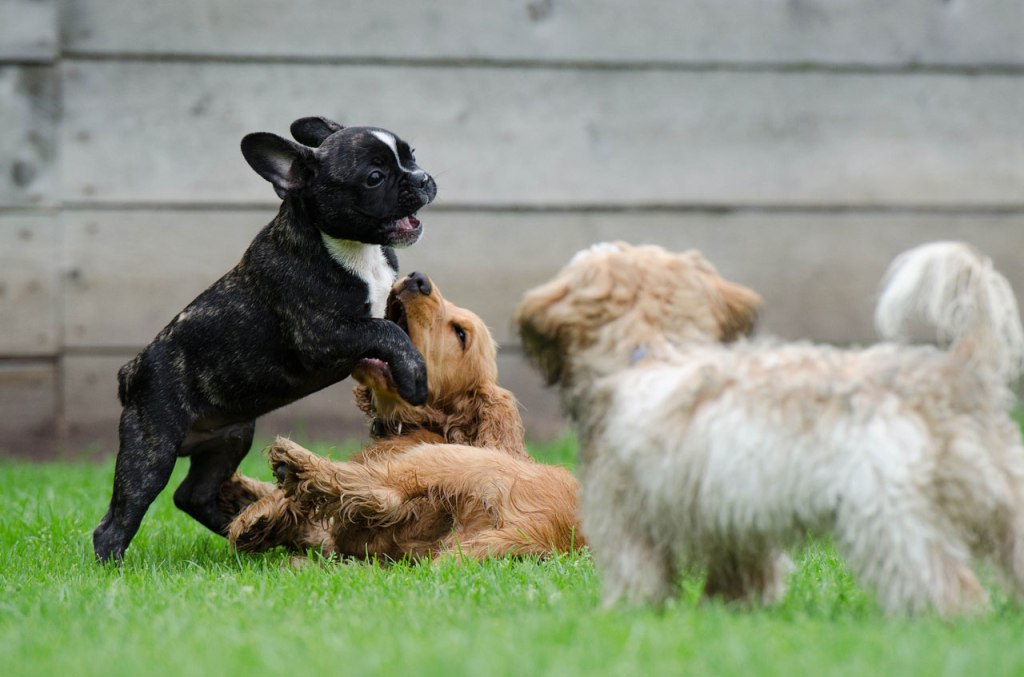
Encouraging appropriate play behavior is another important aspect of successful socialization. Puppies learn how to play from their littermates, but they may need guidance to learn appropriate play behavior with new dogs. Encourage your puppy to play gently and avoid rough play. If your puppy starts to play too roughly, intervene and redirect their attention to a different activity.
Consistency and patience are key when it comes to socializing your puppy with other dogs. It’s important to expose your puppy to a variety of different dogs and situations, but it’s equally important to do so at a pace that is comfortable for your puppy. Pushing your puppy too hard too fast can be overwhelming and counterproductive. Take it slow, be patient, and keep the experiences positive.
By following these tips, you can help ensure that your puppy has a positive and successful socialization experience with other dogs. Remember to always prioritize your puppy’s safety and well-being, and consult with a professional trainer or behaviorist if you have any concerns.
Common Socialization Mistakes to Avoid
Rushing the socialization process can be a common mistake when it comes to socializing puppies. It is important to remember that socialization is a gradual process that takes time and patience. Pushing a puppy into too many social situations too quickly can be overwhelming and may even be counterproductive. Gradual and positive experiences are key to successful socialization.
Not supervising interactions closely is another common mistake. It is important to keep a close eye on puppy interactions to ensure their safety and well-being. Supervising interactions can also help you catch any signs of aggression or fear early on, allowing you to address these issues before they escalate.
Punishing puppies for inappropriate behavior during socialization can be counterproductive. Puppies are still learning appropriate social behavior, and punishing them for inappropriate behavior can create fear and anxiety around other dogs. Instead of punishing, redirect your puppy’s attention to a more appropriate behavior and reinforce positive interactions with treats and praise.
Conclusion
Socialization is an essential aspect of raising a well-adjusted and happy puppy. It helps puppies to develop the skills they need to interact with other dogs, humans, and the world around them. In this article, we have discussed the importance of socialization for puppies and shared tips for safely socializing your puppy with other dogs.
It is important to socialize your puppy safely and responsibly. Socialization should start early, and puppies should be introduced to a variety of experiences and situations in a positive and controlled manner. This includes introducing your puppy to other dogs and people, but also exposing them to different sights, sounds, and environments.
When socializing your puppy with other dogs, always prioritize safety. Start with calm and well-behaved dogs that are up-to-date on their vaccinations. Supervise interactions closely, and intervene if necessary to prevent any aggressive behavior. Keep play sessions short and positive, and gradually increase the duration and intensity of interactions as your puppy becomes more comfortable and confident.
In conclusion, socialization is crucial for the healthy development of your puppy. With patience, care, and responsible socialization, you can help your puppy grow into a well-adjusted and social adult dog. Remember to always prioritize safety and positive experiences when socializing your puppy with other dogs. For further reading and resources on socializing your puppy, consult your veterinarian or a professional dog trainer.

 The Pup Post - Your Ultimate Guide to Happy and Healthy Dogs
One response to “How to Safely Socialize Your Puppy with Other Dogs”
Thanks for sharing this idea. Anita
LikeLiked by 1 person