
Training your dog to sit is one of the most basic and essential commands that every dog owner should teach their furry friend. Not only does it establish obedience, but it also helps develop trust and respect between you and your dog. Teaching your dog to sit is a process that requires patience, consistency, and positive reinforcement.
Introduction
In this article, we will take you through the steps to train your dog to sit like a professional, including getting your dog’s
Getting Your Dog’s Attention
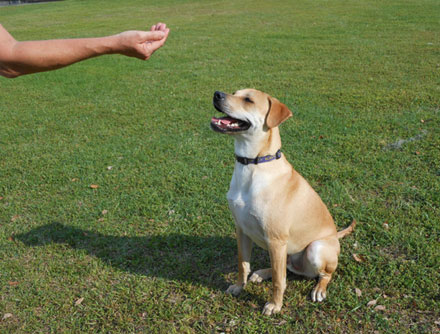
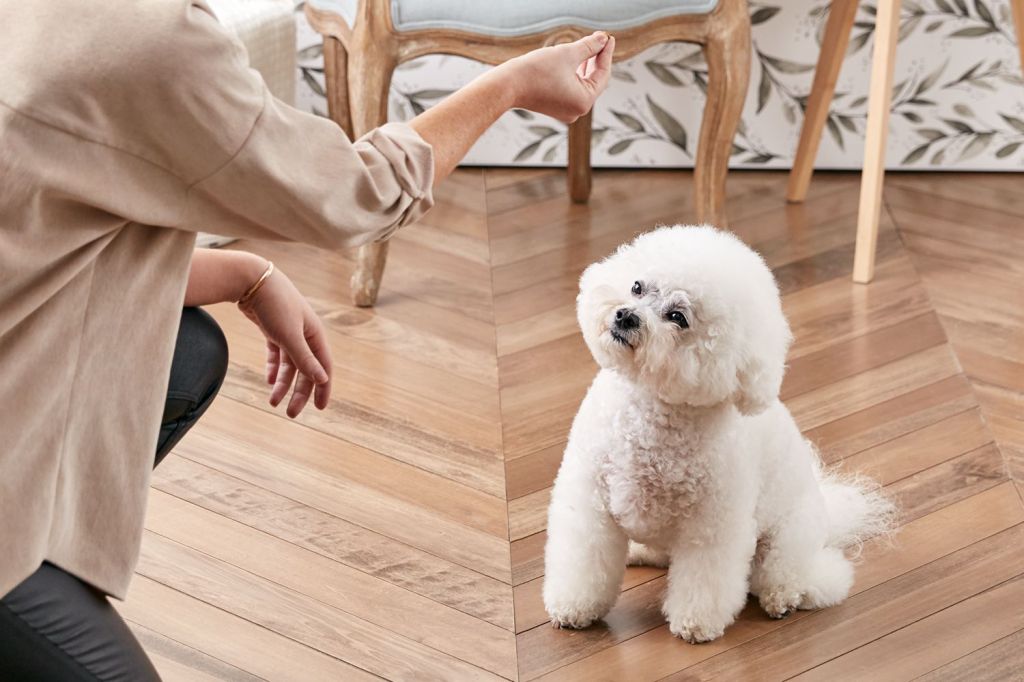
Getting your dog’s attention with a treat or toy is the first step in training them to sit. Dogs are naturally curious and love treats and toys, so using one of these items will get your dog’s attention and make them eager to learn. Hold the treat or toy in front of your dog’s nose and move it slowly upwards. This will cause your dog’s head to follow the treat or toy, and in turn, their hindquarters will naturally lower to the ground into a sitting position. It is essential to move the treat or toy slowly and steadily, so your dog has time to follow it and sit down. This step is crucial because it sets the foundation for the rest of the training, making it easier for your dog to understand what is expected of them.
Moving the Treat Upwards
When you move the treat upwards, it’s important to move it in a slow and deliberate motion, so your dog follows it with their head. As your dog’s head moves up, their body will naturally shift back, causing their hindquarters to lower to the ground. This movement is a natural response for dogs, as they tend to sit to maintain their balance when their weight is shifted towards the back of their body. By moving the treat in this way, you are teaching your dog to associate the upward movement of the treat with the action of sitting, which will help them to learn the command more effectively. Additionally, it’s important to make sure the treat is high enough to encourage your dog to sit all the way down on their haunches, as opposed to simply resting their rear end on the ground while their legs remain partially extended. If you need some delicious treats to motivate your pup, check our article here.
Give the Verbal Command
Once your dog begins to lower their hindquarters to the ground, it’s time to give the verbal command “sit” in a firm but calm tone. It’s important to use the same command consistently each time you ask your dog to sit so that they learn to associate the command with the behavior. The tone of your voice should be clear and confident, but not harsh or aggressive. Using a calm tone of voice will help your dog feel more relaxed and less intimidated, making them more receptive to learning. If your dog doesn’t sit the first time you give the command, don’t get frustrated or repeat the command too many times. Instead, wait a few seconds and then try again. It’s also essential to give the command at the exact moment your dog is performing the desired behavior so that they learn to associate the word with the action.
Praise and Reward
The process of praising and rewarding your dog after they sit is an important aspect of training them to sit. It reinforces the desired behavior and helps your dog understand that they have done something right. Praising your dog can include verbal encouragement such as saying “good boy” or “good girl” in a happy and enthusiastic tone. You can also give physical affection like petting or hugging your dog. These types of praise will help strengthen the bond between you and your furry friend.
Along with verbal praise and physical affection, providing a treat or toy is also an effective way to reward your dog for sitting. Choose treats that your dog enjoys and are easy for them to eat quickly so that the training session can continue without interruptions. Alternatively, you can also use a toy that your dog enjoys playing with as a reward. Make sure that the toy is safe for your dog and is something that they are motivated to work for.
It’s important to remember that rewards should be given immediately after your dog sits. This helps your dog make a connection between the desired behavior and the reward. With consistent rewards, your dog will be more likely to repeat the behavior in the future, which will help reinforce the sit command. As your dog becomes more reliable in sitting, you can gradually reduce the number of treats or toys given and rely more on verbal and physical praise as a reward.
Repeat the Process
Consistent repetition of the training process is essential for your dog to learn the “sit” command. Repeating steps 1-4 several times a day will help to reinforce the behavior and ensure that your dog understands what is expected of them. Over time, you can gradually reduce the amount of treats you give and rely more on praise and physical affection to reward your dog. This transition from using treats to praise and physical affection helps your dog to learn that the behavior is good and should be repeated even without a treat. It’s important to note that the transition from treats to praise should be gradual and not abrupt, as it helps to prevent your dog from becoming confused or frustrated. Additionally, practicing the “sit” command regularly in different environments and situations will help to strengthen the behavior and ensure that your dog can perform the command reliably, even in the presence of distractions.
Practice in Different Environments
The final step in training your dog to sit is practicing the command in different environments. Dogs are very situational learners, meaning they may not always understand that a command in one location applies to another. Therefore, it’s essential to practice the “sit” command in various settings to ensure that your dog can follow the command in any situation.
Start by practicing the “sit” command in different rooms of your home, such as the living room, kitchen, or backyard. Once your dog has mastered the command in these locations, move on to more challenging environments, such as a park or busy street.
Introduce distractions gradually, starting with minor distractions like toys or other people in the area. As your dog becomes more confident, increase the level of distractions, such as other dogs or loud noises. Remember to use positive reinforcement, such as treats and praise, to reward your dog for obeying the command in these new environments.
Practicing the “sit” command in different environments will help to solidify the behavior and ensure that your dog can follow the command in any situation. This will help to establish trust and respect between you and your furry friend, and make your dog a well-behaved and obedient companion.
Conclusion
Training your dog to sit requires patience and consistency. Dogs may take different amounts of time to learn the command, depending on their temperament and level of training. It is essential to remain calm and composed during the training process, as dogs can pick up on their owner’s emotions. Using positive reinforcement techniques, such as praise, treats, or toys, can help motivate your dog and reinforce the behavior. Consistency is also crucial, as dogs thrive on routine and repetition. It’s essential to practice the sit command regularly, preferably several times a day, to help your dog learn and reinforce the behavior. By following these tips and putting in consistent effort, your dog will learn to sit like a professional in no time!

 The Pup Post - Your Ultimate Guide to Happy and Healthy Dogs
One response to “A Step-by-Step Guide to Teaching Your Dog to Sit”
[…] environments and can handle different types of distractions. Basic obedience commands such as sit, stay, come, and down are also vital for a service dog to learn, as they form the foundation for […]
LikeLike