
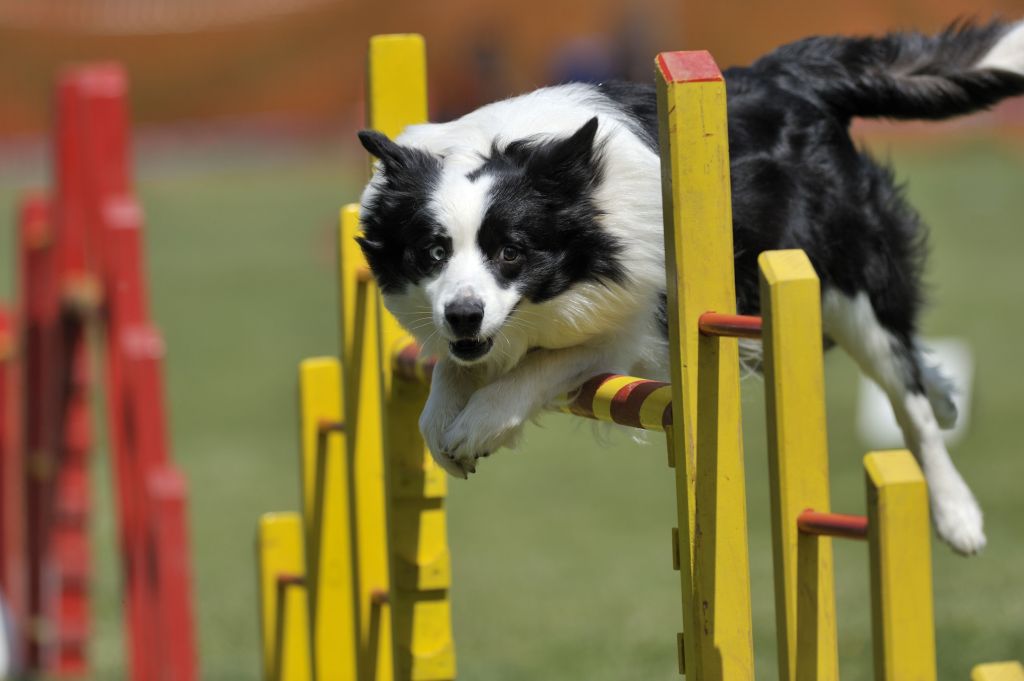
Dog agility training has gained immense popularity among pet owners in recent years. This dynamic and exciting activity involves guiding your dog through an obstacle course, testing their speed, agility, and obedience. Beyond the sheer thrill of the sport, dog agility training offers a wide array of benefits for your furry friend’s physical and mental well-being.
Introduction
In this article, we will explore the numerous advantages this activity brings, from boosting their physical fitness and coordination to enhancing their mental stimulation and overall happiness. Whether you’re a seasoned agility enthusiast or considering giving it a try, discover why dog agility training is not only an exhilarating experience but also a fantastic way to enhance your dog’s quality of life.
Improved Cardiovascular Health
Dog agility training is not only a fun and exciting activity for dogs but also an effective way to improve their cardiovascular health and endurance. This high-energy sport involves navigating obstacle courses, such as jumps, tunnels, weave poles, and ramps, requiring dogs to exert physical effort and engage in aerobic exercise.
Research studies have shown the positive impact of agility training on dogs’ cardiovascular health. A study conducted by Lopes et al. (2017) found that dogs participating in agility training exhibited improved heart health markers, including increased heart rate variability and decreased resting heart rate. These changes indicate enhanced cardiovascular fitness and a more efficient heart function.
The rigorous nature of agility training helps dogs develop endurance and stamina. Regular participation in agility exercises stimulates the heart, increases blood circulation, and improves oxygen uptake by the muscles. This sustained physical activity strengthens the cardiovascular system, allowing dogs to perform better and for longer durations.
Furthermore, agility training promotes weight management in dogs, which is crucial for cardiovascular health. Obesity is a common risk factor for various cardiovascular conditions in dogs, including heart disease and hypertension. By engaging in agility exercises, dogs burn calories and maintain a healthy weight, reducing the strain on their heart and blood vessels.
Enhanced Coordination and Balance
Dog agility training is not only beneficial for cardiovascular health and endurance but also plays a significant role in improving a dog’s coordination, balance, and agility. By engaging in specific exercises and navigating through obstacle courses, dogs develop enhanced motor skills and body control.
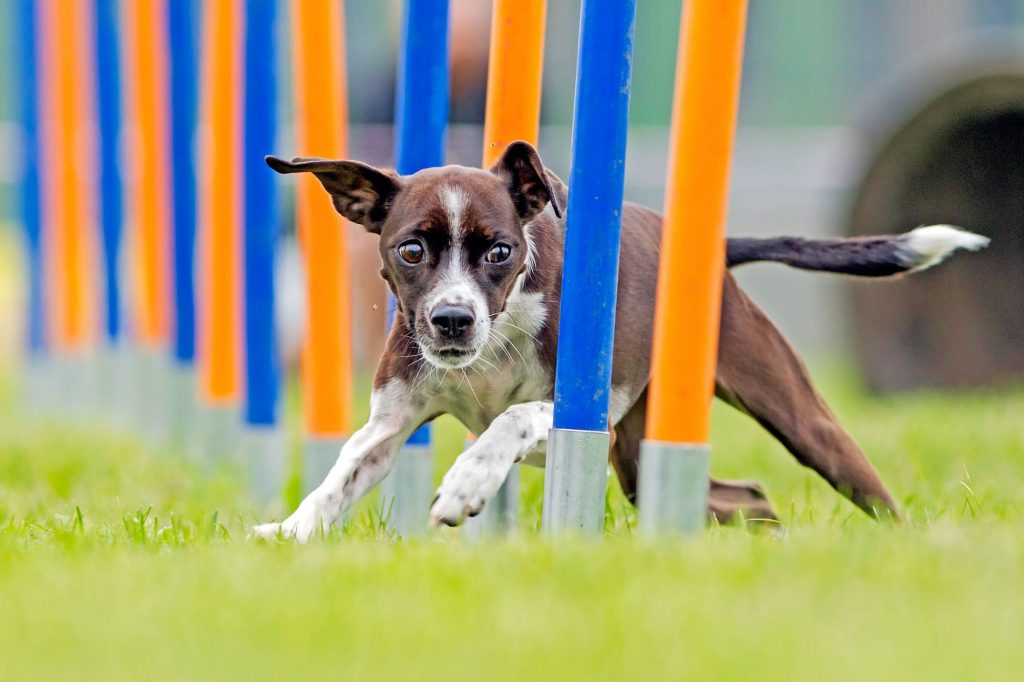
One area that agility training targets is coordination. Dogs learn to coordinate their movements to navigate various obstacles smoothly and efficiently. Exercises like weave poles, where dogs must weave in and out of a series of closely spaced poles, require precise coordination and body awareness. By repeatedly practicing these exercises, dogs improve their ability to coordinate their movements, leading to better overall coordination skills.
Balance is another key aspect of agility training. Dogs are required to balance their bodies while jumping over hurdles, traversing narrow beams, or walking on elevated platforms. These exercises challenge their stability and proprioception, which is the awareness of their body’s position in space. Through regular agility training, dogs develop better balance and proprioceptive abilities, leading to improved overall stability and body control.
Agility training also focuses on enhancing a dog’s agility, which refers to their ability to change direction quickly and effortlessly. Exercises such as tunnel runs, where dogs navigate through tunnels of varying lengths and angles, require quick turns and directional changes. By practicing these agility exercises, dogs become more agile and nimble, enabling them to maneuver through obstacles with ease.
Boosted Mental Stimulation and Focus
Dog agility training goes beyond physical exercise and provides dogs with valuable mental stimulation. The challenges and tasks involved in agility training require dogs to stay focused, think critically, and make quick decisions. This mental engagement has numerous benefits for their overall cognitive health.
One of the primary benefits of agility training for dogs is that it keeps their minds active and prevents boredom. Dogs are intelligent creatures that thrive on mental stimulation. Without appropriate outlets for their mental energy, they may become bored, which can lead to undesirable behaviors like destructive chewing or excessive barking. Agility training offers a stimulating environment where dogs must focus on navigating obstacles, following commands, and solving problems. This mental engagement keeps their minds sharp and satisfied.
Moreover, agility training helps improve a dog’s concentration and focus. During training sessions, dogs need to listen attentively to their handler’s cues, remember the course layout, and execute each task accurately. This level of focus requires mental discipline and concentration. As dogs progress in agility training, they learn to block out distractions and maintain a high level of focus on the task at hand. This ability to concentrate transfers to other areas of their lives, making them more attentive and responsive overall.
Another cognitive benefit of agility training is the development of problem-solving skills. Dogs encounter various challenges and obstacles on an agility course, and they must quickly analyze the situation and find the most efficient way to overcome each obstacle. They learn to make split-second decisions, adjust their strategies, and adapt to different course layouts. This problem-solving aspect of agility training stimulates their cognitive abilities and enhances their capacity to think on their feet.
Enhanced Bonding with Owner
Dog agility training offers an excellent opportunity to enhance the bond between you and your dog by improving communication and fostering teamwork. This activity requires a high level of cooperation and coordination between you and your pet, strengthening your connection in several ways.
First and foremost, agility training relies heavily on effective communication between you and your dog. As you guide your dog through the course, you use verbal cues, hand signals, and body language to convey your intentions and provide instructions. Through consistent training and practice, your dog learns to interpret and respond to these cues, building a strong communication channel between you both. This clear and effective communication deepens your understanding of each other, creating a stronger bond built on trust and mutual cooperation.
Moreover, agility training encourages teamwork between you and your dog. It is a collaborative effort where you work together to navigate the obstacles and complete the course. Your role as a handler is to guide and support your dog, while their role is to execute the tasks based on your instructions. This teamwork reinforces the notion that you and your dog are a cohesive unit, working towards a common goal. As you tackle challenges together, your bond strengthens, and you develop a sense of shared accomplishment.
Additionally, agility training provides numerous opportunities for positive reinforcement and reward-based training. When your dog successfully completes a task or conquers an obstacle, you can celebrate their achievements with praise, treats, or play. This positive reinforcement not only motivates your dog to perform well but also deepens the emotional connection between you. Your dog associates the agility training experience with positive interactions and rewards, making them more enthusiastic and eager to participate. This positive association further solidifies the bond and makes training sessions enjoyable for both of you.
Furthermore, the time spent together during agility training creates valuable bonding moments. The shared experiences, challenges, and triumphs create lasting memories that contribute to a stronger emotional connection. The training sessions become a special time dedicated to strengthening your relationship and building a deeper understanding of each other.
Socialization and Confidence Boost
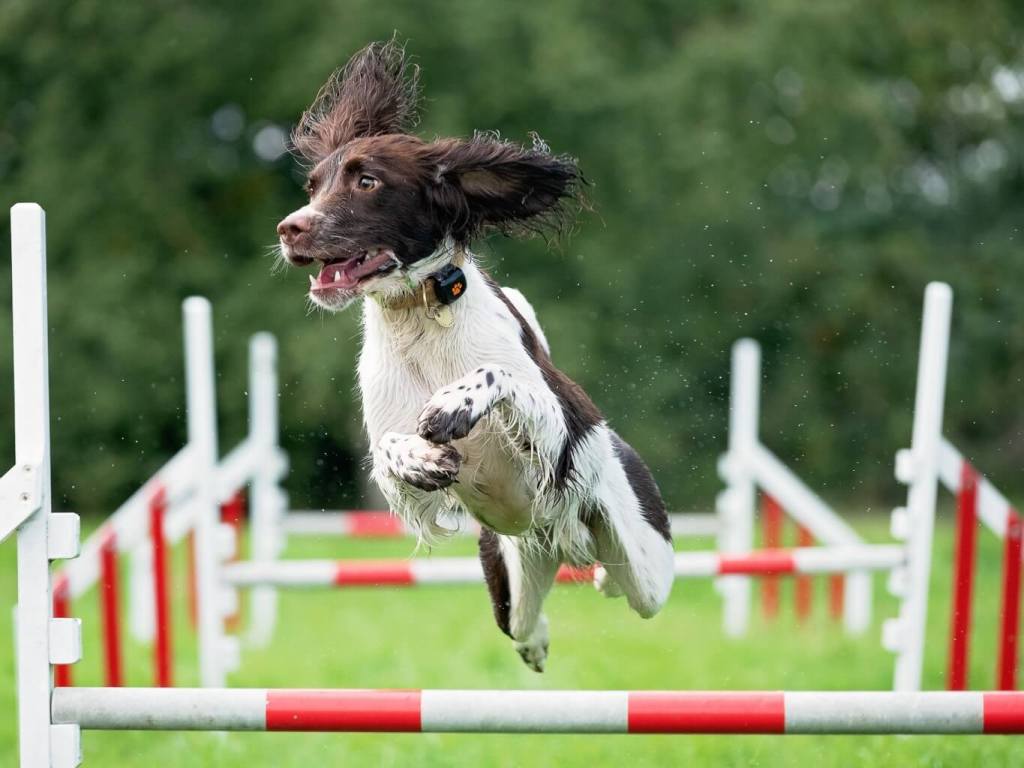
Dog agility training can significantly contribute to your dog’s confidence and socialization, benefiting their overall well-being in several ways. Through agility training, dogs are exposed to various environments, stimuli, and social interactions, helping them become more confident and adaptable in different situations.
One of the primary benefits of agility training is that it exposes dogs to new and potentially challenging environments. Agility courses are often set up in different locations, both indoor and outdoor, with various surfaces, equipment, and obstacles. By navigating through these unfamiliar environments, dogs learn to adapt to different surroundings, which builds their confidence in handling new and potentially intimidating situations. The exposure to novel environments in a controlled and positive training setting helps dogs develop resilience and overcome any initial hesitation or fear they may have.
Moreover, agility training provides opportunities for positive socialization. During training sessions or agility competitions, dogs are often surrounded by other dogs and handlers. This exposure to different dogs and people helps improve their social skills and enables them to interact confidently with unfamiliar individuals. Interaction with other dogs allows them to learn appropriate play behavior, understand social cues, and develop better communication skills with their canine counterparts. Furthermore, agility training also involves interacting with trainers, judges, and fellow competitors, further enhancing their socialization experiences.
Engaging in agility training builds your dog’s self-assurance as they learn to tackle challenging obstacles and complete complex tasks. With each successful completion, their confidence grows, and they become more willing to take on new challenges. This increased self-confidence translates beyond the agility course and positively impacts their overall demeanor in daily life situations.
Agility training can help dogs overcome certain fears or anxieties they may have. The gradual exposure to various obstacles and stimuli in a controlled and supportive environment allows them to build positive associations and conquer their fears. Over time, dogs become more self-assured and less reactive to potentially anxiety-inducing situations.
The teamwork and positive reinforcement involved in agility training contribute to your dog’s overall well-being and confidence. The consistent praise, rewards, and encouragement they receive during training sessions strengthen their self-belief and motivate them to perform at their best. This positive reinforcement not only boosts their confidence but also deepens the bond between you and your dog.
6 Agility Training Exercises
- Balance beams: Dogs walk across narrow beams or elevated platforms to improve balance and stability. Start with wider beams and gradually decrease the width as your dog becomes more proficient.
- Agility jumps: Dogs jump over hurdles or bars set at varying heights to improve coordination and agility. Start with low heights and gradually increase as your dog gains confidence and skill.
- A-frame climbs: Dogs climb up and down an A-shaped frame, requiring balance and coordination. This exercise enhances body awareness and stability.
- Tire jumps: Dogs jump through a suspended tire, which challenges their coordination, agility, and body control. Adjust the height and diameter of the tire to suit your dog’s size and skill level.
- Pause table exercises: Dogs learn to jump onto a table or platform and stay still for a designated period. This exercise improves balance, focus, and body control.
- Zigzag weave poles: Dogs weave through a series of poles arranged in a zigzag pattern, promoting coordination and agility. Start with widely spaced poles and gradually decrease the distance as your dog becomes proficient.
Conclusion
Dog agility training offers numerous benefits for your furry companion’s physical and mental well-being. This activity improves cardiovascular health, enhances coordination and agility, provides mental stimulation, strengthens the bond between you and your dog, boosts their confidence and socialization skills, and contributes to their overall cognitive health. Engaging in agility training helps your dog stay fit, mentally sharp, and emotionally fulfilled. If you haven’t tried it yet, consider exploring local options for training and experience the joy and benefits of this dynamic and rewarding activity with your beloved canine companion.

 The Pup Post - Your Ultimate Guide to Happy and Healthy Dogs
2 responses to “5 Surprising Benefits of Dog Agility Training for Your Pet’s Health”
Great article! Dog agility training is not only a fun activity but also provides numerous benefits for dogs’ physical and mental well-being. The article highlights how agility training improves cardiovascular health, enhances coordination and agility, provides mental stimulation, strengthens the bond between dogs and owners, boosts confidence and socialization skills, and contributes to overall cognitive health. It’s never too late to give it a try and see the positive impacts on your furry friend.
founder of balance thy life
LikeLiked by 1 person
Great article on the benefits of dog agility training! It’s fantastic to see how this activity not only provides physical exercise but also mental stimulation, improves coordination, and strengthens the bond between dogs and their owners. Dog owners should definitely consider trying out agility training with their furry friends.
LikeLike