
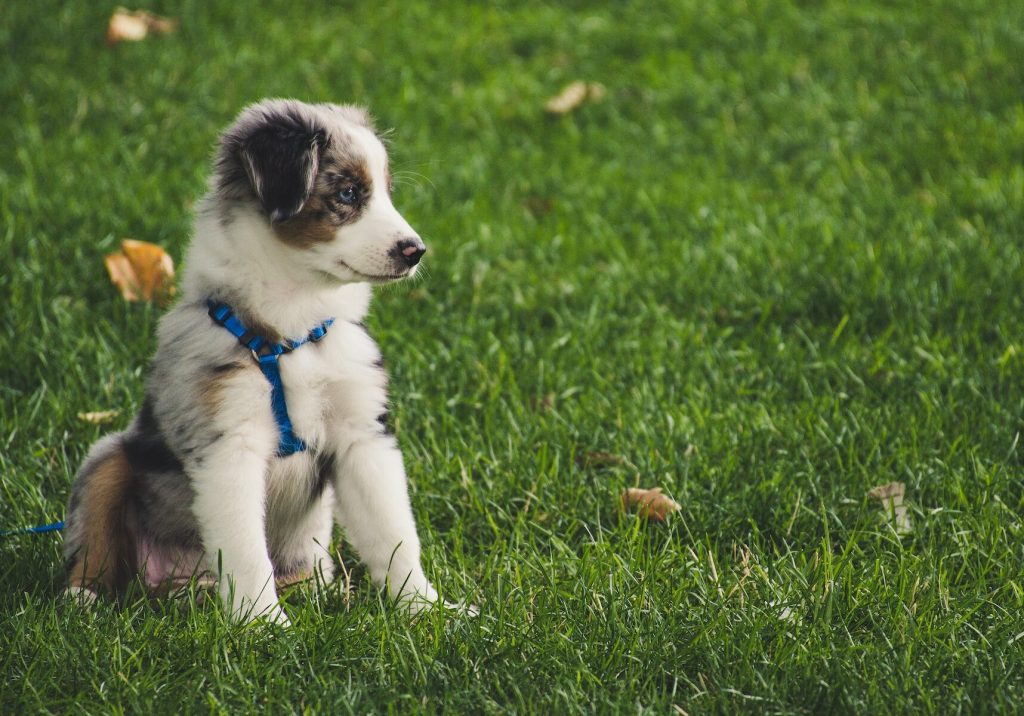
House training your puppy is essential for creating a harmonious living environment for both you and your furry companion. A well-trained puppy who understands where and when to eliminate can prevent accidents, maintain cleanliness, and foster a strong bond with their owner. This step-by-step guide aims to provide you with the necessary information and proven methods to successfully house train your puppy.
Introduction
Effective house training not only ensures a clean and hygienic living space but also establishes a foundation for other training aspects. By following a structured approach, you can set your puppy up for success and create a positive environment that promotes good behavior.
There are various proven methods for house training a puppy, including crate training, puppy pad training, and regular outdoor bathroom breaks. Each method has its advantages, and the choice depends on your lifestyle, living situation, and personal preferences. Throughout this guide, we will explore these methods in detail, allowing you to choose the most suitable approach for your puppy.
Understanding Your Puppy’s Behavior and Needs
Puppies are born with a natural instinct to keep their living area clean. They have an innate aversion to soiling the space where they eat, sleep, and play. This instinct is helpful when it comes to house training, as it provides a foundation for teaching them to eliminate in appropriate areas.
It’s essential to learn and recognize the signs that indicate your puppy needs to go potty. Some common signs include restlessness, sniffing the ground, circling, or suddenly stopping an ongoing activity. Puppies may also exhibit behaviors such as whining, scratching at the door, or pacing. By paying attention to these cues, you can anticipate their needs and take them to the designated potty area in a timely manner.
Creating a consistent routine is crucial for successful house training. Set specific times for feeding your puppy, usually three to four times a day for young puppies. By establishing a regular feeding schedule, you can predict when they will need to eliminate. Additionally, incorporate scheduled playtime and exercise sessions to ensure your puppy has an outlet for energy and mental stimulation. Along with these activities, establish a routine for bathroom breaks, taking your puppy to the designated potty area after meals, naps, and play sessions. Consistency in the routine will help your puppy understand when and where they should eliminate, making house training more effective.
Setting Up a Proper Living Environment
Choosing a designated potty area in your home or yard When house training your puppy, it’s important to designate a specific area where they can relieve themselves. This could be a spot in your yard or a designated area indoors if you live in an apartment. Take your puppy to this area consistently to reinforce the association between the spot and bathroom breaks. Using the same spot each time helps establish a routine and reduces confusion for your puppy.
Using puppy pads or crate training as options for house training Puppy pads can be a helpful tool for house training, especially if you live in a high-rise building or have limited outdoor access. Place the puppy pads in the designated potty area and encourage your puppy to use them for bathroom breaks. Gradually, you can move the pads closer to the door to encourage outdoor elimination.
Crate training is another effective method for house training. Dogs have a natural instinct to keep their sleeping area clean, so a crate can help them learn to hold their bladder and bowels. Choose a crate that is appropriately sized for your puppy, providing enough space for them to stand, turn around, and lie down comfortably. Use positive reinforcement and rewards when your puppy goes outside to reinforce the behavior.
Ensuring a safe and comfortable space for your puppy Creating a safe and comfortable environment is essential for successful house training. Remove any hazards or items that your puppy may chew on or ingest. Provide a comfortable bed or crate with soft bedding for your puppy to rest. Ensure access to fresh water and provide appropriate chew toys to redirect their chewing behavior.
Additionally, consider puppy-proofing your home to prevent accidents or damage. Use baby gates or close doors to limit access to areas where you can’t supervise your puppy. Remove any toxic plants or substances that could harm them. By creating a safe and comfortable space, you set the foundation for a positive house training experience.
Consistency and Positive Reinforcement
Consistency is key when it comes to house training your puppy. Establishing a routine and sticking to it helps your puppy understand what is expected of them. Consistent training methods include using the same verbal cues or commands for bathroom breaks and following a set schedule for feeding and potty breaks. By maintaining consistency, you create a predictable environment for your puppy, making it easier for them to learn and adapt to the house training process.
Positive reinforcement is a highly effective method for house training your puppy. When your puppy exhibits the desired behavior, such as eliminating in the designated area, promptly reward them with praise, treats, or a favorite toy. Positive reinforcement reinforces the connection between the desired behavior and the reward, making it more likely that your puppy will repeat that behavior in the future. It creates a positive association and motivates your puppy to continue following the house training guidelines.
Punishment-based methods, such as scolding or physical discipline, can be counterproductive in house training and may hinder your puppy’s progress. Punishing your puppy for accidents or mistakes can create fear and anxiety, which can lead to further behavioral problems. Instead, focus on positive reinforcement and redirection. If accidents occur, calmly clean up the mess and take steps to prevent future accidents by reinforcing the training process. Remember, patience and understanding are key components of successful house training, and punishment-based methods should be avoided.
Step-by-Step House Training Guide
Crate training is a highly effective method for house training your puppy. Introduce the crate as a positive and comfortable space for your puppy, ensuring it is properly sized with bedding and toys. The crate serves as a den for your puppy, utilizing their natural instincts to keep their living area clean.
Consistency is key when it comes to house training. Establish a regular feeding schedule for your puppy, typically three to four times a day depending on their age. Set specific times for meals and take your puppy to their designated potty area shortly after eating. A consistent schedule will help regulate their digestive system and make it easier to predict when they need to eliminate.
Teach your puppy specific verbal cues and commands associated with bathroom breaks. Choose simple and distinct phrases such as “go potty” or “do your business.” Use these cues consistently each time you take your puppy to their designated potty area. Over time, they will associate the cues with the act of eliminating, making it easier for them to understand your expectations.
Supervision is crucial during the house training process. Keep a close eye on your puppy, especially during the early stages when accidents are more likely to occur. Use baby gates or keep your puppy on a leash to limit their access to areas where they may have accidents. If you cannot supervise them directly, confine them to their crate or a small, puppy-proofed area.
Accidents are bound to happen during the house training process. It’s important to clean up accidents properly to eliminate lingering odors that may attract your puppy to repeat the behavior in the same spot. Use enzymatic cleaners specifically designed for pet messes to thoroughly clean any affected areas. Avoid using cleaners with ammonia, as they may resemble the scent of urine and encourage your puppy to eliminate in the same spot again.
Troubleshooting Common House Training Challenges
Dealing with occasional accidents and setbacks House training can be a gradual process, and occasional accidents are normal, especially during the early stages. It’s important not to get discouraged or punish your puppy for accidents. Instead, focus on reinforcing positive behavior and adjusting your training approach if needed. When accidents occur, clean them up promptly and thoroughly to remove any lingering odors that may attract your puppy to the same spot.
Addressing issues like marking, submissive urination, or anxiety-related accidents Some puppies may exhibit specific house training challenges, such as marking behavior, submissive urination, or accidents related to anxiety or fear. Addressing these issues requires understanding the underlying causes and implementing appropriate strategies. For marking behavior, consider neutering or spaying your puppy and implementing consistent discipline techniques. Submissive urination can be addressed by avoiding overly dominant or intimidating behavior and providing reassurance to build your puppy’s confidence. Anxiety-related accidents may require a calm and patient approach, gradually introducing your puppy to new environments or situations while providing comfort and positive reinforcement.
Seeking professional help if necessary In some cases, house training challenges may persist despite your best efforts. If you find that you’re struggling to make progress or your puppy’s behavior is causing significant stress or disruption, it may be beneficial to seek professional help. A professional dog trainer or behaviorist can assess the situation, provide personalized guidance, and develop a tailored training plan to address specific challenges. Their expertise and experience can be invaluable in helping you overcome any obstacles in the house training process and ensure a successful outcome.
Maintaining Success and Gradual Independence
Gradually increasing your puppy’s freedom in the house As your puppy becomes more reliable in their house training, you can start gradually increasing their freedom within the house. Expand their access to different areas of the house one at a time, closely monitoring their behavior and reinforcing positive habits. This gradual increase in independence allows your puppy to develop good habits while minimizing the chances of accidents or regression.
Ongoing reinforcement and continued supervision Even after your puppy is successfully house trained, it’s important to continue reinforcing good habits and providing positive reinforcement. Maintain consistency in your training approach and schedule, as well as regular bathroom breaks. Reinforce desired behavior with praise, treats, or other rewards to ensure that your puppy understands the importance of maintaining their house training routine.
Celebrating milestones and achievements in house training Celebrating your puppy’s milestones and achievements is essential for their motivation and your bonding experience. Acknowledge and reward your puppy’s progress, whether it’s going an extended period without accidents, signaling when they need to go outside, or following commands consistently. Celebrate these successes with praise, treats, or a special outing to further reinforce their positive behavior.
Conclusion
In this article, we have provided a comprehensive step-by-step guide to help you house train your puppy successfully. We discussed the importance of understanding your puppy’s behavior and needs, setting up a proper living environment, and the significance of consistency and positive reinforcement. By following the proven methods outlined in this guide, you can create a harmonious living environment for both you and your puppy.
Encouragement and Motivation for Successful House Training House training can sometimes be challenging and may require patience and persistence. It’s important to stay positive and motivated throughout the process. Remember that accidents are a normal part of the learning process, and setbacks may occur. By remaining patient and consistent in your approach, you can help your puppy develop good habits and achieve success in house training.
The Importance of Patience, Consistency, and Positive Reinforcement Patience is key when house training your puppy. It takes time for them to understand and adapt to the desired behavior. Consistency in your training methods, schedule, and expectations is crucial for your puppy to establish a routine. Additionally, positive reinforcement plays a vital role in reinforcing good behavior and creating a positive association with the house training process. By rewarding your puppy with praise, treats, and affection when they exhibit the desired behavior, you can encourage them to continue their progress.
Remember that each puppy is unique, and the house training process may vary in duration and effectiveness. Be flexible and adjust your training methods as needed to cater to your puppy’s individual needs. Seek professional help if you encounter persistent challenges or if you feel overwhelmed. With time, patience, consistency, and positive reinforcement, you can successfully house train your puppy and enjoy a well-behaved and happy companion in your home.


One response to “How to House Train Your Puppy with Proven Methods”
Great article! This comprehensive guide provides step-by-step instructions and helpful tips for successfully house training your puppy. Following these proven methods will help create a positive environment and strong bond between you and your furry companion.
founder of balance thy life https://balancethylife.com
LikeLike